UFBA’s roots are deeply intertwined with the history of Brazil itself. The university proudly safeguards the nation’s very first higher education institution: the Escola de Cirurgia da Bahia (now the Faculty of Medicine of Bahia). Founded on February 18, 1808, by Prince Regent Dom João VI, this landmark institution symbolized the dawn of Brazil’s scientific and cultural independence.
The modern university was formally consolidated on April 8, 1946, merging historical faculties of Medicine, Dentistry, Pharmacy, Philosophy, Law, Economic Sciences, and the historic Escola Politécnica.
Today, research at UFBA spans a vast spectrum from pure sciences to cutting-edge technological and humanistic studies. Driven by highly qualified researchers, the university has built a dense network of international scientific cooperation.
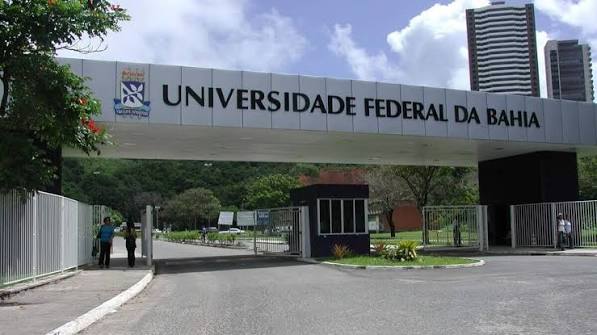
Since the 1950s and 1960s, UFBA has cultivated a deeply cosmopolitan cultural environment. Through extensive scientific cooperation and student mobility programs, the university maintains robust academic agreements with institutions worldwide, including key partnerships with European universities. This global outlook ensures that UFBA remains an open door to world-class education and cross-border innovation.
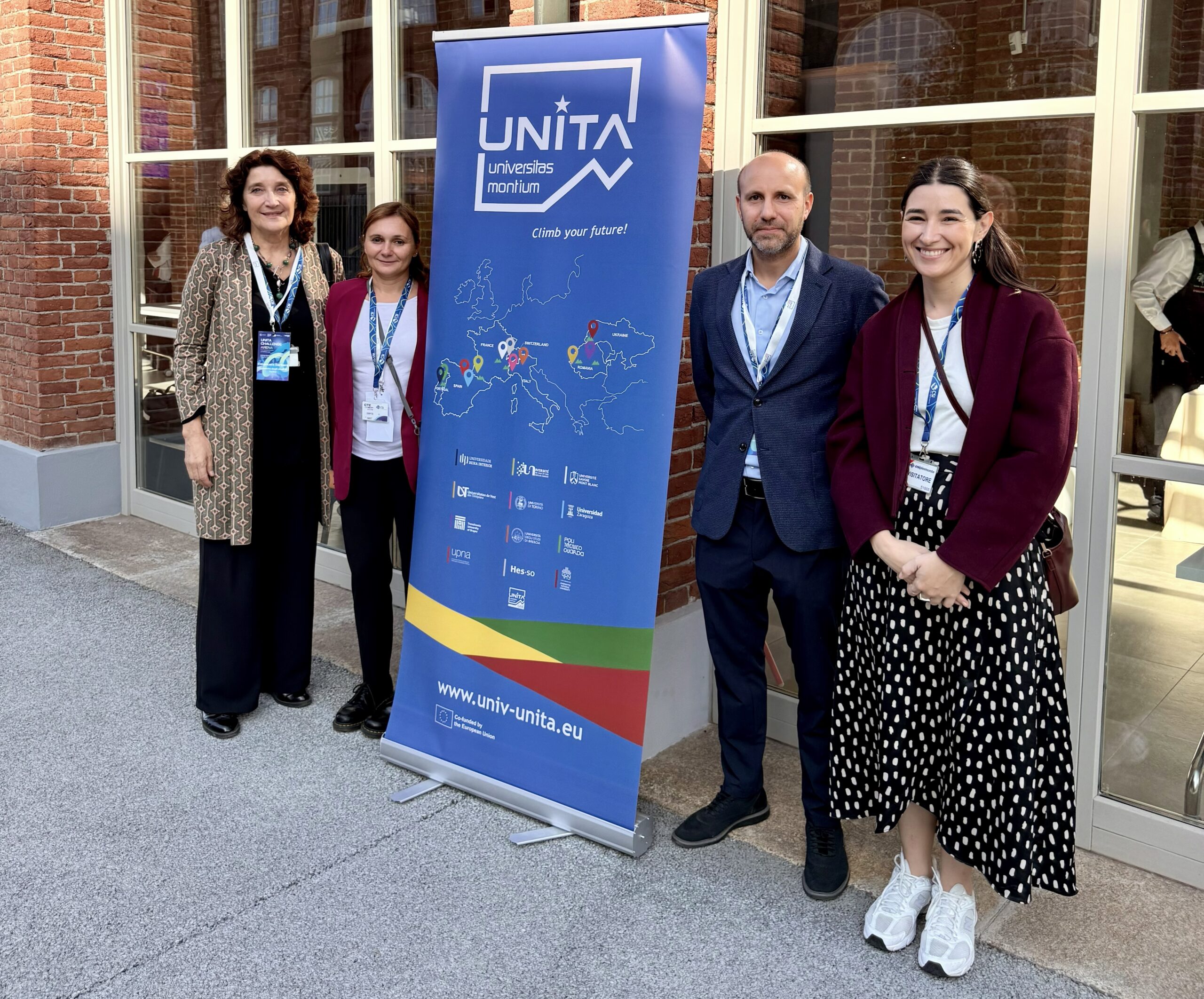
The Universidade Federal da Bahia (UFBA) is part of the Geminae network of the UNITA Alliance. The programme aims to strengthen international academic cooperation across all continents through the exchange of best practices in teaching, research, mobility, and governance, contributing to the development of more inclusive, sustainable, and globally connected higher education systems.