


New tools, shared visions and European Degrees: UNITA WP3 Meets in Turin
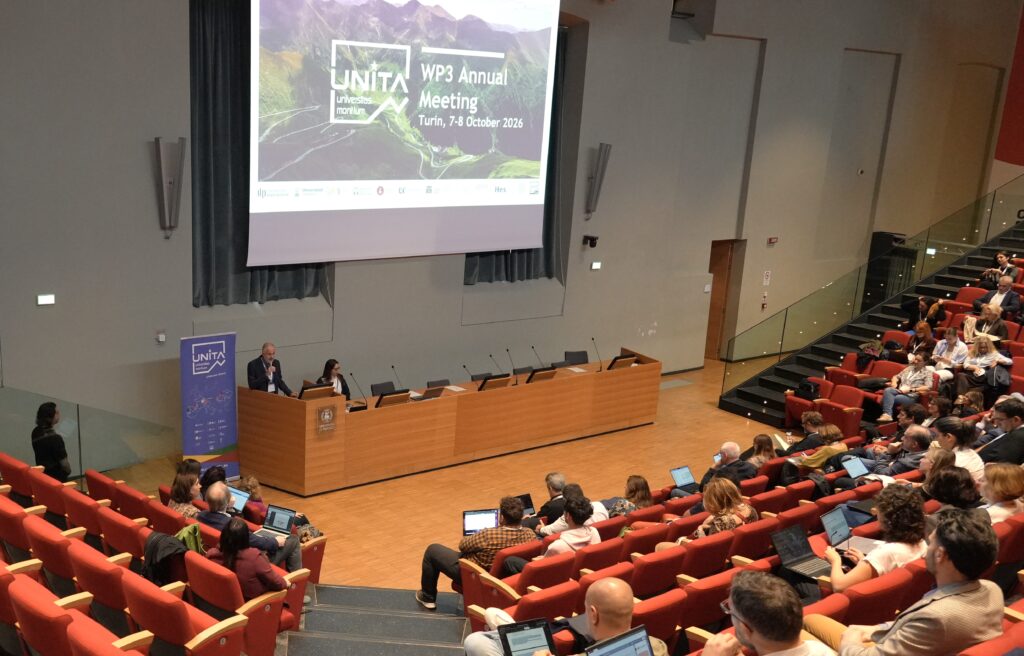
The UNITA WP3 Annual Meeting brought colleagues from across the Alliance together in Turin to discuss the future of education. The programme focused on internationalisation, micro-credentials, digital tools, artificial intelligence and Teaching and Learning Centres.
The meeting also connected the outcomes of RECIPES with the launch of ED-UNITA and the development of future European Degrees.
Our Geminae partners: Universidade Federal de Minas Gerais (Brazil)

The Universidade Federal de Minas Gerais (UFMG) was founded in 1927 through the merger of the Schools of Law, Dentistry, Medicine, and Engineering. As one of the oldest universities in Brazil, UFMG today serves approximately 52,000 students, offering 97 undergraduate programmes, 90 graduate programmes, and hosting around 700 research centres. Located in Belo Horizonte, the capital of the state of Minas Gerais, the University is among the leading higher education and research institutions in Brazil and Latin America, consistently achieving outstanding results in academic quality and social impact rankings and evaluations.
Our Geminae Partners: Universidad Católica de Colombia
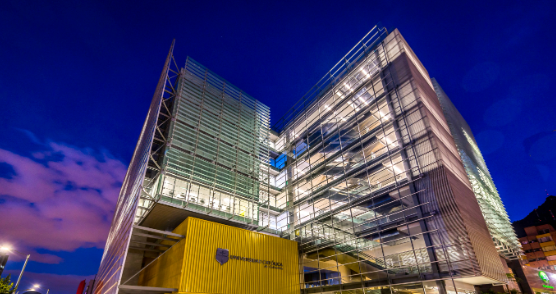
The Catholic University of Colombia continues to strengthen its international profile through academic excellence, a strong commitment to sustainable development, and global partnerships. Recognised once again in the Times Higher Education Impact Rankings 2026, the University combines high-quality education with social responsibility while expanding international collaboration through initiatives such as the GEMINAE network of the UNITA Alliance.
Our Geminae partners: Universidade Federal do Rio de Janeiro (Brazil)

Universidade Federal do Rio de Janeiro (UFRJ) is a public university offering 171 undergraduate degree programmes and 136 postgraduate programmes to a student population of approximately 51,000. Its community comprises around 80,000 people, distributed across four campuses located throughout the State of Rio de Janeiro.
Our Geminae partners: Université Cheick Anta Diop de Dakar (Senegal)

Founded in 1957 and officially inaugurated in 1959, the Université Cheikh Anta Diop de Dakar (UCAD) is one of Africa’s most prestigious and influential higher education institutions. Renamed in 1987 in honour of the renowned Senegalese scholar, philosopher, and anthropologist Cheikh Anta Diop, UCAD has played a central role in the academic, scientific, and social development of Senegal and the wider African continent for decades.
Our Geminae partners: Universidad Autonóma de San Luis Potosí (Mexico)
Universidad Autónoma de San Luis Potosí (UASLP) is one of the largest, most important, and oldest universities in Mexico. The university has a community of more than 33,000 students, 15 faculties, and over 105 degree programmes. It obtained its autonomy in 1923 and is now recognized nationwide as one of Mexico’s leading higher education institutions.
UNITA Call for Advanced Tech Transfer Grants
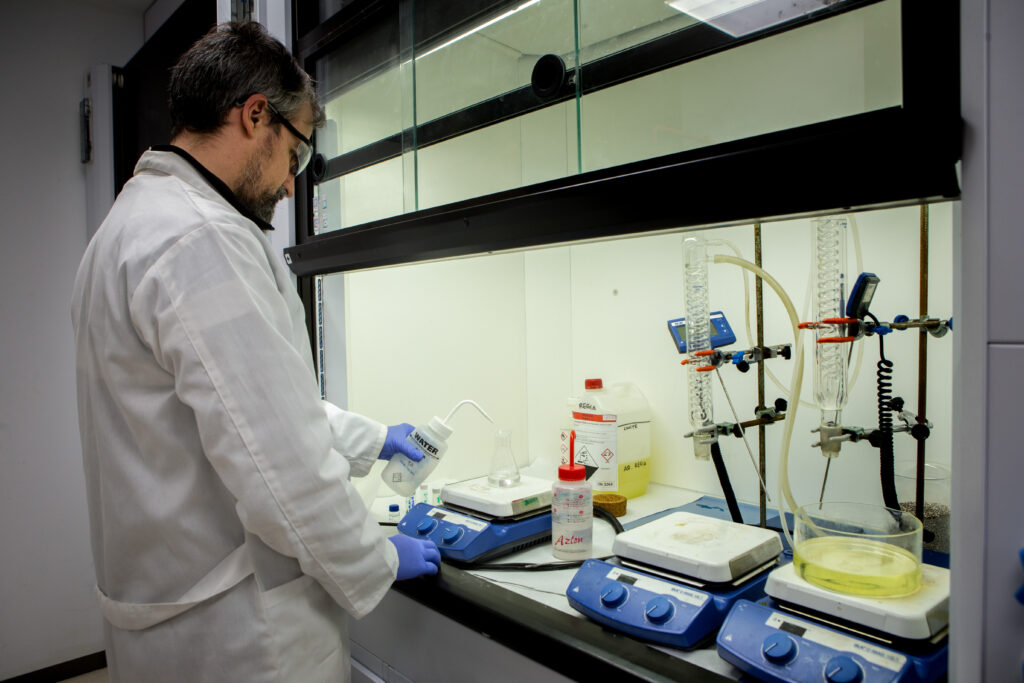
Deadline: 12 July 2026, 23:59 CET
Our Geminae partners: Universidade Federal de Viçosa (Brasil)
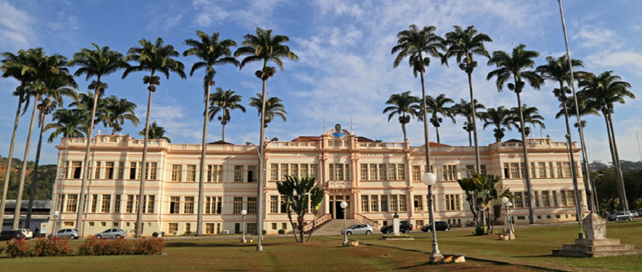
The Universidade Federal de Viçosa (UFV) located in the state of Minas Gerais, is a public Brazilian higher education institution with around 20,000 students and over 1,200 full professors. Founded in 1926, UFV is ranked between the 100 best universities in the world in the areas of Agriculture and Forestry, by the QS World University Rankings, with several graduate programs ranked at international level. UFV is partner of UNITA through the Geminae programme.
Our Geminae partners: Universidade Pedagògica de Maputo (Mozambique)
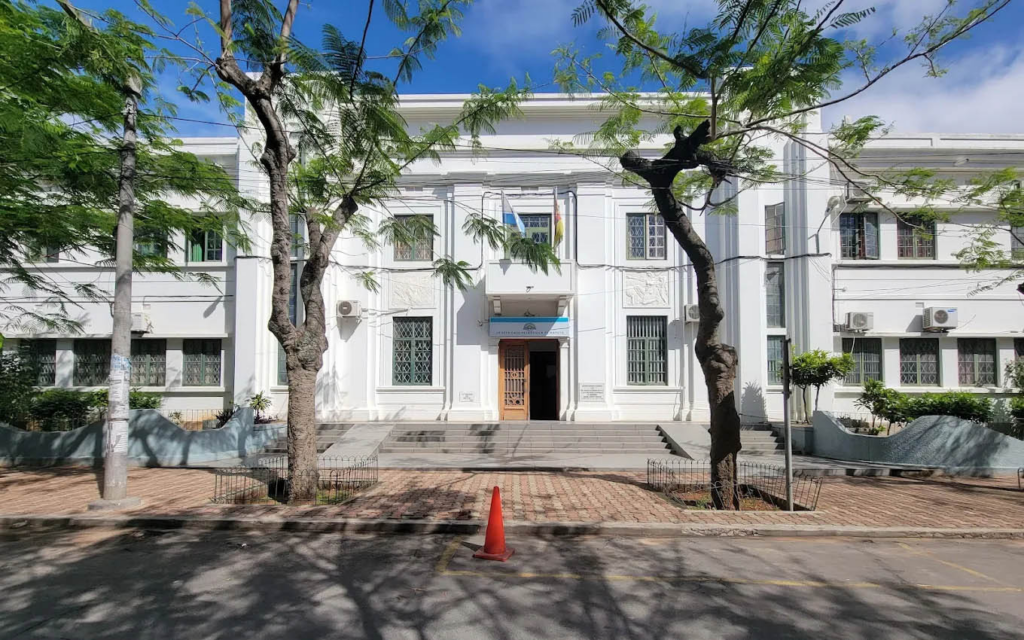
A leading public university in Mozambique, Universidade Pedagògica de Maputo is committed in training highly qualified graduates who can contribute to sustainable economic and socio-cultural development. UPM is partner of UNITA through the Geminae programme.
Our Geminae partners: Université d’Abomey-Calavi (Benin)
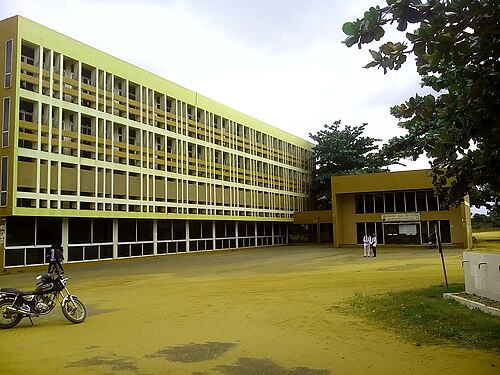
The Université d’Abomey-Calavi (Benin), founded in 1970, is a leading institution in West Africa that educates thousands of students each year, actively contributing to the scientific and economic development of Benin.