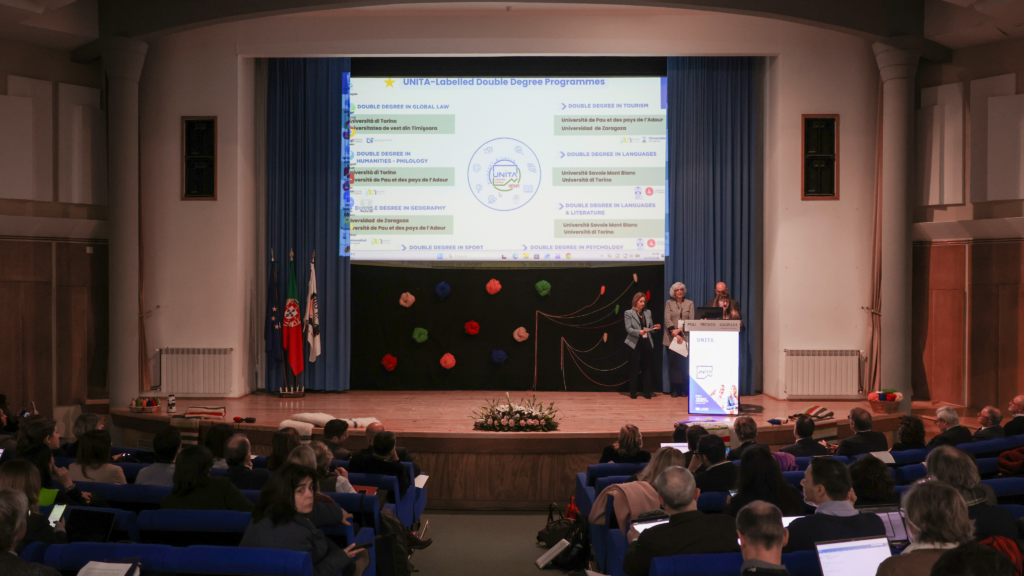
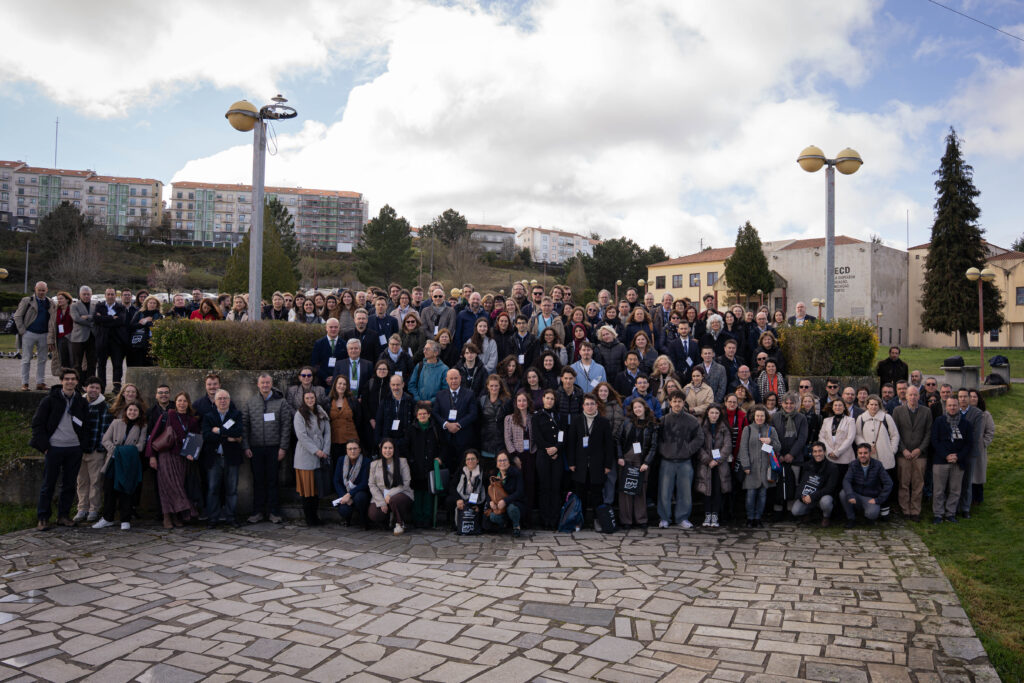
edUNITA 2025 Conference – Conference on Innovative Teaching and Learning, First Edition

Hosted by the West University of Timișoara in an international setting between October 17–18, 2025, the event brought together academics and practitioners from European higher education institutions to share research results, experiences, and best practices in the fields of pedagogical innovation and internationalization. Plenarele conferinței precum și autorii acestora: Noel Lopes (Polytechnic University of Guarda, Portugalia) – “Artificial Intelligence in the Classroom: Challenges and Opportunities”; Alazne Ciarra-Tejada (Public University of Navarra, Spania) – “Linguistic Mediation as a Key to Pedagogical and Educational Innovation for Teaching and Learning in International Academic and Professional Contexts”; Janneke Frambach (Maastricht University, Țările de Jos) – “The Internationalisation Cookbook: Combining Ingredients to Serve Healthy and Tasty Education”; Paul Jones (Université Savoie Mont Blanc, Franța) – “What’s All the Fuss About Internationalisation and Developing Student Competencies? A Lens on Why Faculty Can Be Hesitant and How to Get Them on Board.” Pe lângă prelegerile plenare, programul a inclus ateliere de lucru, sesiuni paralele și prezentări ale Centrelor de Învățare și Predare din cadrul Alianței Europene UNITA. Evenimentul oferă o platformă de reflecție asupra modului în care universitățile pot proiecta medii de învățare flexibile, incluzive și bazate pe competențe, capabile să răspundă provocărilor unui peisaj educațional aflat într-o continuă schimbare.
UNITA Lifelong Education Staff Week at Universitatea de Vest din Timișoara

Between October 14–16, West University of Timișoara became the meeting point for the working teams of the European alliance UNITA – Universitas Montium, which work in the field of Education and Lifelong Learning, UNITA’s third Work Package as part of the alliance’s expansion and consolidation phase (2023–2027). The task members gathered in Timișoara for the UNITA Lifelong Education Staff Week. Timp de trei zile, aproximativ 90 de reprezentanți ai celor 12 universități partenere și asociate vor continua să dezvolte activitățile alianței în domeniul Educației, în contextul rezultatelor deja obținute până acum și al obiectivelor pentru următorii doi ani. Evenimentul de la Timișoara are loc într-un moment-cheie pentru alianța noastră, dar și pentru Inițiativa Universități Europene, când așteptările de la alianțele europene sunt tot mai ridicate. Astfel, pentru a maximiza rezultatele evenimentului în ceea ce privește contribuția lui la consolidarea alianței și a inițiativelor sale în domeniul Educației pe Tot Parcursul Vieții, UVT a propus un program complex, care include întâlniri ale prorectorilor responsabili cu Educația de la toate universitățile partenere, cât și sesiuni ale grupurilor de lucru din alianță preocupate de internaționalizarea parcursului academic al studenților, microcertificări, inovare în predare și învățare, sau campusul digital UNITA. Mai mult decât atât, UVT propune participanților o serie de prelegeri care vor aduce în prim-plan perspective europene asupra viitorului educației: Prin găzduirea întâlnirii anuale a alianței UNITA care e dedicată Educației pe Tot Parcursul Vieții, UVT reafirmă rolul său în cadrul alianței europene din care facem parte, dar și angajamentul său pentru o educație inovatoare, deschisă și conectată la Europa universitară.
Turin hosts the third edition of the specialised Italian–Romanian translation seminar

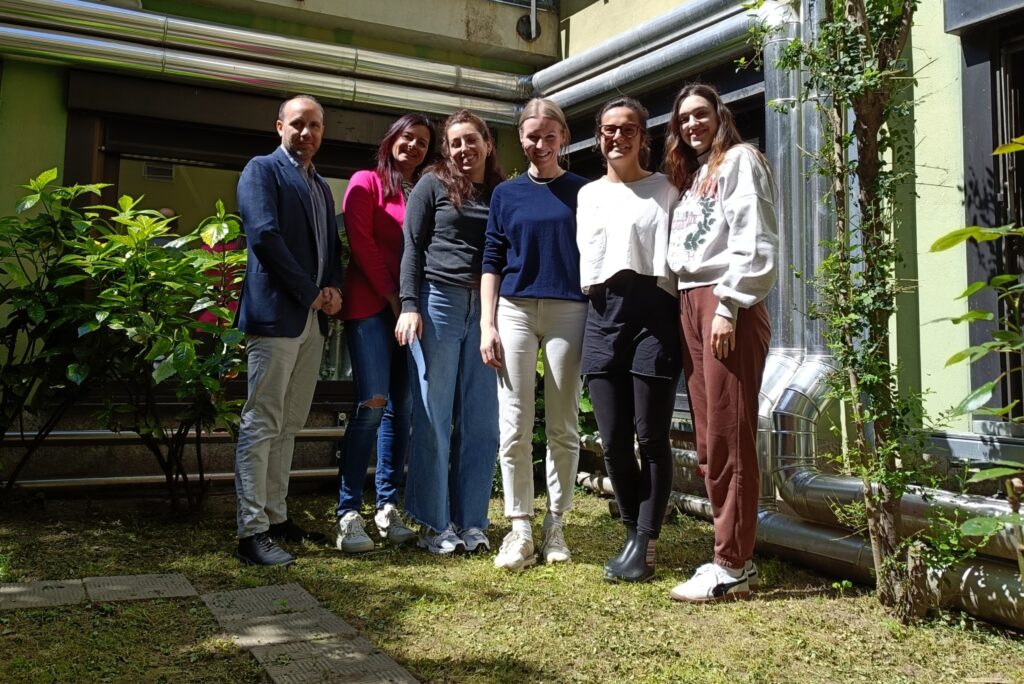
The third edition of the specialised Italian-Rumanian translation seminar has been held at the University of Turin from 27 to 31 October 2025. Organised in collaboration with the West University of Timisoara, the seminar brings together students and teachers from both institutions for a week of shared learning and translation practice. This year’s edition marks a significant step toward the creation of a joint degree program in Translation Studies between the two universities. Dal 27 al 31 ottobre 2025 il Dipartimento di Lingue e Letterature Straniere e Culture Moderne dell’Università di Torino ha ospitato la terza edizione del Seminario specializzato di traduzione italiano–romeno, organizzato in collaborazione con la Facoltà di Lettere, Storia e Teologia dell’Università dell’Ovest di Timișoara (UVT). L’iniziativa nasce con l’obiettivo di avvicinare studentesse e studenti delle due università alla pratica della traduzione tra le due lingue, promuovendo la cooperazione accademica e culturale tra Italia e Romania. Il seminario prevede attività in gruppi misti di studenti madrelingua italiana e romena, guidati dai docenti Roberto Merlo per UniTo e Mirela Boncea per UVT, per un totale di 18 ore di lavoro. Accanto alle esercitazioni di traduzione collaborativa, il programma comprende lezioni dedicate a temi centrali per la pratica traduttiva contemporanea – dalla linguistica della traduzione all’uso dei CAT Tools e dell’intelligenza artificiale – favorendo così un approccio integrato e aggiornato alla professione del traduttore. Il progetto non si limita allo sviluppo di competenze linguistiche e traduttive, ma mira anche a rafforzare il lavoro di gruppo e la dimensione interculturale del processo formativo. A livello più ampio, il seminario rappresenta un laboratorio di didattica condivisa UniTo–UVT, che sta progressivamente ponendo le basi per la creazione di un percorso di doppio titolo in Traduzione tra le due università, attualmente in fase di progettazione con il supporto degli uffici competenti. Le prime due edizioni del seminario si sono svolte a Timișoara, presso UVT, nel 2023 e nel 2024. La prima, dedicata ai linguaggi giuridico-amministrativi, e la seconda, incentrata sulla traduzione legata al patrimonio culturale e al turismo, hanno registrato un’eccellente partecipazione e un forte entusiasmo da parte della comunità studentesca. Con la terza edizione del 2025, il seminario approda per la prima volta a Torino, consolidando una collaborazione che negli ultimi anni ha dato risultati concreti e promettenti. Hanno partecipano all’edizione torinese 8 studenti di UVT e 10 studenti di UniTo, che per una settimana hanno lavorato fianco a fianco su testi di diversa natura, alternando momenti di riflessione teorica e laboratori di traduzione pratica. L’esperienza conferma la volontà condivisa di UniTo e UVT di promuovere una formazione linguistica e interculturale capace di rispondere alle sfide della contemporaneità, in un’ottica di cooperazione accademica europea sempre più solida e partecipata.
TIME TO S.P.R.I.C.: Exploring Italian Susa Valley through Languages, Culture and Technology

Time to S.P.R.I.C. is an educational virtual reality game developed by the University of Turin in collaboration with UNITA. It allows students to explore the Susa Valley, in the Italian Piedmont region, while practicing intercomprehension between Romance languages. Through immersive experiences, participants develop inferential and metalinguistic strategies, combining cultural discovery, language learning, and digital innovation. Si è tenuto ad ottobre ad Alpignano, porta d’accesso alla Valle di Susa in Piemonte, un evento pilota dedicato a TIME TO S.P.R.I.C.- Shared Pathaways for Romance languages, Intercomprehension and Cycling in virtual reality Sviluppato con il contributo dei Dipartimenti di Lingue e Letterature Straniere e Culture Moderne, di Filosofia e di Scienze dell’Educazione dell’Università di Torino, in collaborazione con UNITA, TIME TO S.P.R.I.C. è un serious game educativo che permette di esplorare il patrimonio culturale della Valle di Susa, territorio alpino in Piemonte occidentale ricco di storia e di percorsi culturali legati alla Via Francigena, combinando l’apprendimento linguistico con l’esperienza immersiva. La scelta del dell’area non è casuale: il territorio, da sempre crocevia tra Italia e Francia, rappresenta un punto d’incontro privilegiato tra lingue e culture romanze. Ogni scenario digitale è stato progettato per stimolare la curiosità di chi partecipa e favorire la scoperta del territorio, delle tradizioni e della storia locale, integrando al contempo attività linguistiche. L’esperienza proposta da TIME TO S.P.R.I.C. supera i confini della didattica tradizionale. I partecipanti non si limitano a conoscere nuove lingue o a visitare virtualmente luoghi storici ma, grazie a uno storyboard accattivante, hanno l’opportunità di confrontare lingue e culture romanze, osservandone differenze e somiglianze, sviluppando strategie di inferenza e riflessione metalinguistica. In questo modo, l’apprendimento linguistico si trasforma in un’esperienza attiva, capace di favorire la comprensione di testi e conversazioni in contesti plurilingue. La sede del primo evento, Alpignano, è stata scelta per la sua posizione strategica quale punto di connessione ideale tra l’area metropolitana e il territorio della Valle di Susa. Durante l’iniziativa, i partecipanti hanno potuto sperimentare direttamente il serious game TIME TO S.P.R.I.C, osservando come il progetto unisca innovazione digitale, apprendimento linguistico e valorizzazione del patrimonio culturale, mostrando le potenzialità della collaborazione internazionale e interdipartimentale promossa da UNITA. TIME TO S.P.R.I.C. rappresenta un esempio di come strumenti digitali e approcci immersivi possano rendere l’apprendimento linguistico più efficace, motivante e culturalmente significativo, portando i partecipanti a interagire con le lingue e i contesti culturali in maniera attiva e consapevole. Scopri TIME TO S.P.R.I.C. su https://www.unita-iceplurilinguismo.unito.it/resources/worksheets-and-activities/time-to-s-p-r-i-c-serious-game
UNITA: rural mobilities that take students on a journey

Through the UNITA alliance, students explore Europe while gaining valuable professional and cultural experience. From Alba and Ester’s internships in the French South-West to Laurine’s immersion in rural Spain, these exchanges highlight UNITA’s mission: connecting universities across rural and mountain regions and offering students both career skills and a true human adventure. Des étudiantes venues en stage dans le Sud-Ouest Cet été, deux étudiantes issues d’universités partenaires ont choisi notre région pour leur stage. Alba, étudiante en langues modernes à l’Université de Saragosse, se destine à devenir professeure de français. Après un Erasmus en Bretagne qui a confirmé sa passion pour la langue et la culture françaises, elle a choisi d’effectuer son stage au musée Jeanne d’Albret à Orthez. Elle y a assuré des visites guidées en français et en espagnol, accueillant des publics variés. Mais son implication allait plus loin : Alba a également organisé des groupes de discussion bilingues autour de thématiques inspirées de l’époque de Jeanne d’Albret. Lors de notre visite, les échanges portaient sur… l’école maternelle ! Une manière originale de mêler histoire, patrimoine et actualité, tout en favorisant le dialogue entre visiteurs. Ester, de l’Université de Turin, suit un cursus en langues pour la communication internationale après une licence en tourisme. Elle a déjà une solide expérience dans le secteur, notamment dans l’accueil touristique et le monde viticole. Son stage s’est déroulé au domaine de la Higuère (Vignobles Esquiro), dans le Gers. Là, elle a accompagné les visiteurs dans la découverte des caves et des vins, animé des dégustations, et prêté main forte aux travaux dans les vignes. Le cadre du woofing lui a permis de rencontrer de nombreux jeunes venus d’horizons très différents, et de vivre une véritable immersion interculturelle. Si bien qu’elle envisage déjà de revenir l’été prochain. Parole d’étudiante : Laurine, en immersion en Aragon Si l’alliance UNITA favorise la venue d’étudiants dans notre région, elle permet aussi à nos propres étudiants de partir à l’étranger, y compris dans des territoires ruraux. Laurine, étudiante en 3ᵉ année de droit public sur le campus de Bayonne, a ainsi effectué un stage de plus de six semaines dans la mairie de Herrera de los Navarros, en Aragon (Espagne). Elle raconte : « Mon stage à Herrera a été bien plus qu’une expérience professionnelle : ça a été une aventure humaine inoubliable. » Accueillie au sein du secrétariat de mairie, Laurine a découvert un rôle bien plus vaste qu’elle ne l’imaginait. Loin de se limiter aux tâches administratives, le secrétariat constitue le cœur de la vie du village et un outil essentiel pour lutter contre la dépopulation des zones rurales. Parmi ses missions, elle a participé à la préparation de dossiers de subvention auprès du gouvernement d’Aragon et de l’État espagnol, suite aux graves inondations de juin. Une expérience qui lui a donné une vision concrète de la gestion budgétaire d’une collectivité locale et de la construction de projets financiers. Elle a aussi pris part aux réunions intercommunales de la « comarca », découvrant ainsi les enjeux économiques du territoire, notamment dans le secteur agricole et dans le cadre des programmes européens comme la PAC. Mais son immersion ne s’est pas arrêtée là. Laurine a également collaboré avec un étudiant portugais sur un projet culturel ambitieux : la réalisation d’un documentaire consacré aux enjeux de la « España vaciada » (l’Espagne vidée), phénomène lié à l’exode rural. Ce travail en équipe lui a permis de développer des compétences en gestion de projet, en communication et en travail interculturel. « Pour moi, ce stage a conjugué mon intérêt pour le droit public et l’international, tout en m’offrant une expérience concrète et valorisable sur mon CV. C’est un vrai atout pour mes futures candidatures en master de droit européen. » Sur le plan humain, Herrera est vite devenue sa « deuxième maison » : les repas partagés avec les voisins, les fêtes de village, l’accueil chaleureux des habitants et les rencontres avec d’autres étudiants internationaux ont profondément marqué son séjour. « Participer à un programme de mobilité rurale comme celui d’UNITA est une opportunité exceptionnelle. On acquiert des compétences professionnelles solides, mais aussi une expérience humaine et culturelle unique. Je recommande à tous les étudiants de tenter cette aventure. » UNITA, un ancrage dans les territoires Ces stages s’inscrivent dans la dynamique d’UNITA, alliance qui regroupe des universités implantées dans des zones rurales, transfrontalières et montagneuses. Qu’ils se déroulent dans le Sud-Ouest de la France ou dans les villages espagnols, ils offrent aux étudiants bien plus qu’une expérience académique : une ouverture interculturelle, une professionnalisation concrète et la découverte de territoires singuliers.
The Enhancement of Rural and Mountain Buildings: UNITA BIP “Combined Structural and Energy Upgrade of Buildings in Rural Areas” Between Brescia and Vione

From the 8th to the 12th of September, the UNITA BIP “Combined Structural and Energy Upgrade of Buildings in Rural Areas”, coordinated by Prof. Fausto Minelli, was held between Brescia and Vione (BS). The course, which also included a mandatory virtual component, involved 40 students from 8 different European countries. Organised by the University of Brescia (UNIBS), in collaboration with the Universidad de Zaragoza (UNIZAR) and the Université Savoie Mont Blanc (USMB), the programme focused on the enhancement and rehabilitation of historic buildings in mountain areas. Over the five-day period, participants had the opportunity to explore – through workshops and case study analyses – the historical stratification of the alpine village of Vione, construction and strengthening techniques, the types and origins of materials, the state of conservation of the buildings, and the most commonly used structural systems. The BIP also provided an important opportunity to explore energy retrofit solutions based on the use of geological and bio-based insulating materials, renewable energy sources such as solar power, and innovative technologies including heat pumps and polygeneration systems. The next editions of the course will take place in Chambéry (USMB) and Zaragoza (UNIZAR), with the aim of continuing and strengthening the technical and cultural dialogue on the preservation and sustainable reuse of rural architectural heritage.
UNITA presents its Geminae Network: 19 universities from 11 countries gather at the Geminae Conference hosted by the Universidad de Zaragoza

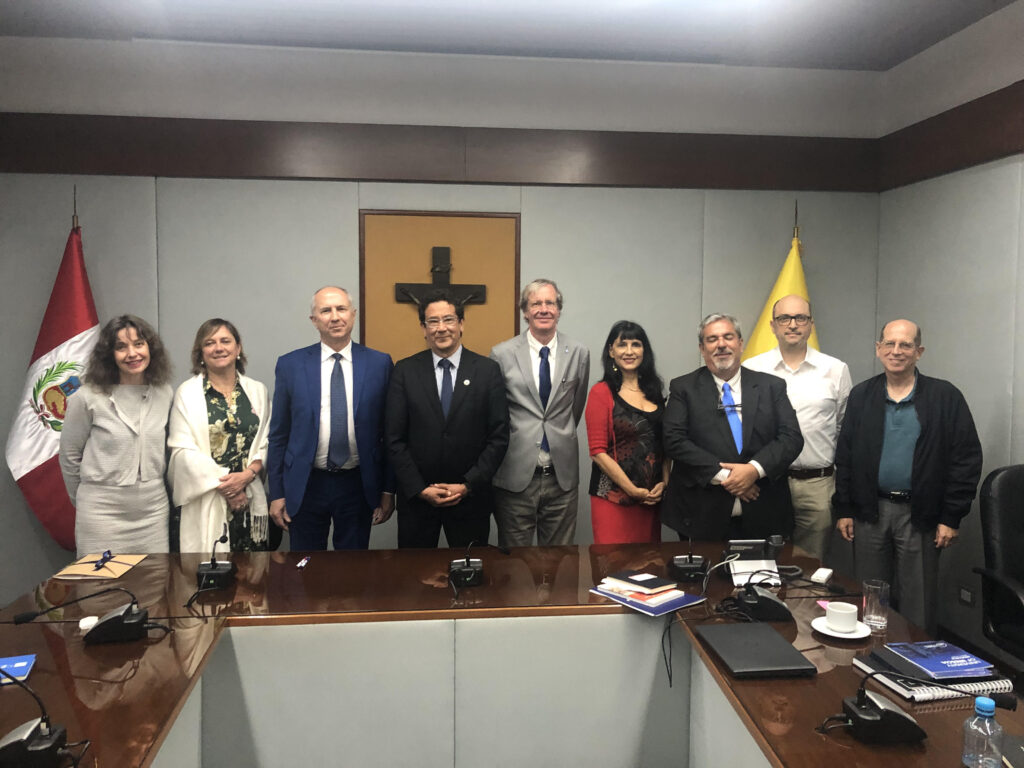
The Universidad de Zaragoza hosted the event, during which the Best Practices Awards of the Geminae universities were presented. Representatives from 19 Geminae universities of the European Alliance UNITA travelled to Zaragoza on September 4th and 5th to present mobility and collaborative learning projects and to attend the awards ceremony for best university practices. “We share many things: a commitment to sustainability, to our territories, and to the people who live in them,” said Ana Yetano, coordinator of the event. The conference included networking sessions, workshops on rural and virtual mobility, and the presentation of the Geminae network and its research Hubs (Cultural Heritage, Green Energy, Circular Economy and Environment, Digital Transitions, Global Health, and Inclusive Societies). One of the key moments of the event was the presentation of the Geminae Best Practices Awards for Geminae univeristies, which recognised innovative projects from the Universidade Federal de Viçosa (Brazil), the Universidad Nacional de La Plata (Argentina), the Universidad de los Andes (Colombia), the Université de Antananarivo (Madagascar), and the Universidad del Rosario (Colombia). The event concluded with remarks from Sergio Salinas, Vice-Rector for Internationalisation at the University of Zaragoza: ‘I hope these days have been very fruitful for cooperation among all of us, and I look forward to seeing you again soon.’ The next edition of the Geminae Awards is scheduled to take place in Brussels in 2027.
UNITA at European Universities Student Ambassador Forum 2025

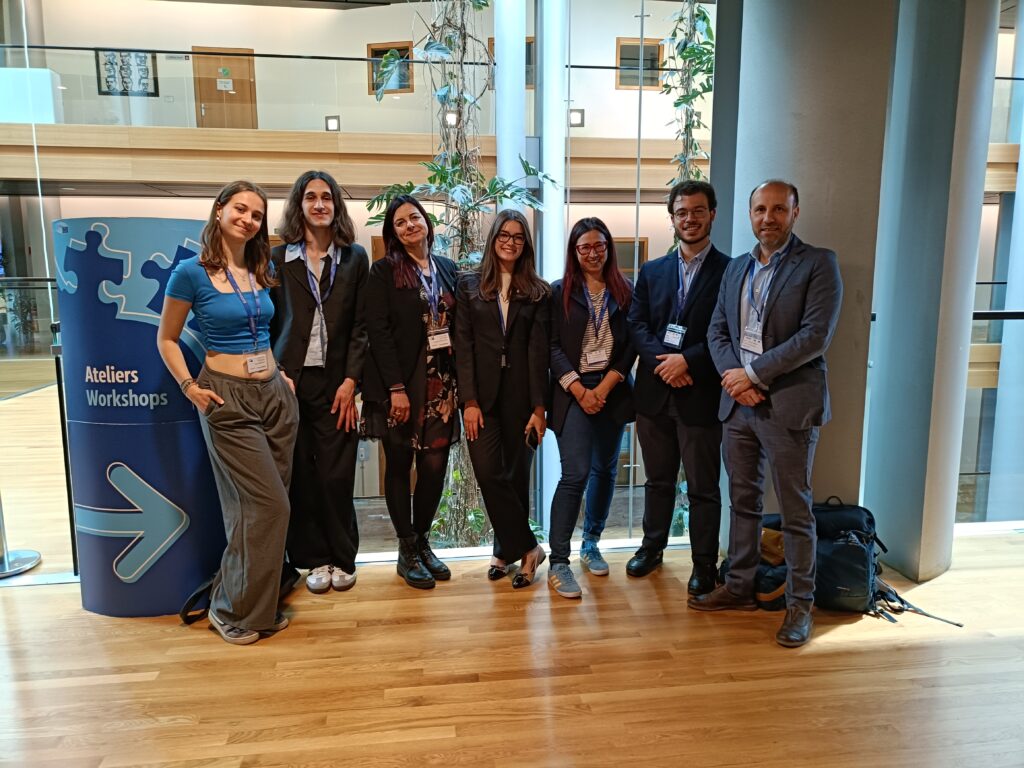
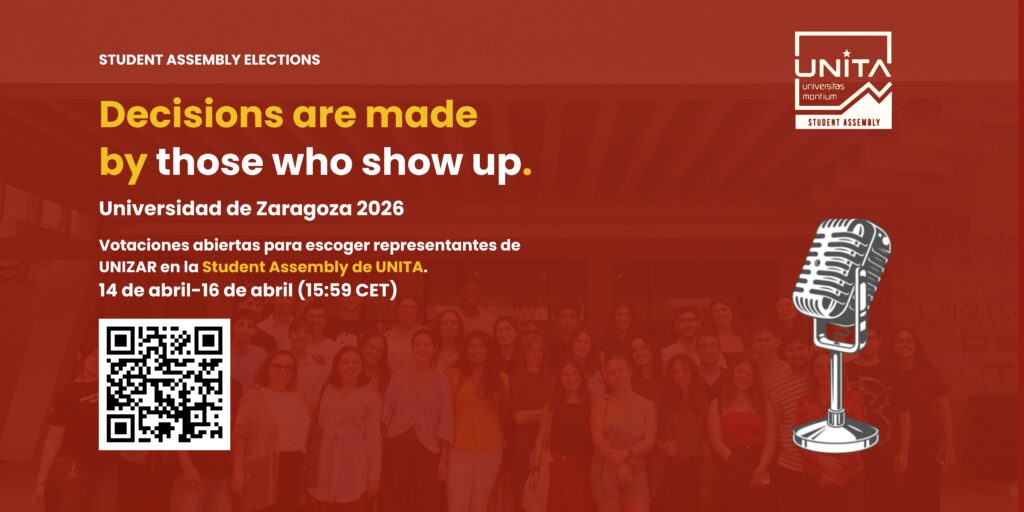
From September 4 to 6, 2025, the European Universities Student Ambassador Forum (EUSAF) took place in Warsaw, bringing together student representatives from all European University Alliances (EUAs) for three days of discussions, collaboration, and idea-sharing.The event is part of the EUC voices project and was created to give student ambassadors a real, lasting role in shaping the European University initiative.This year, UNITA was represented by a student from the University of Turin, Mirela Secrieri, who actively took part in the sessions and brought back valuable insights for the alliance. The 2025 edition opened with a session introducing the role of alliances in building Europe’s academic and cultural future: the key messages included the importance of long-term student engagement through alumni involvement and of restoring trust in European projects by placing youth participation at the centre of institutional processes. The second day focused on sharing concrete experiences: students presented posters highlighting best practices from their alliances, including initiatives related to virtual campuses, inclusion, student mobility and cultural events. Interactive workshops allowed students working in groups to design outreach activities aimed at increasing awareness of alliances at the local level. The final day featured insights from past EUSAF participants, who spoke about how the experience had shaped their involvement in their alliances. The forum then turned to open discussion, with students exchanging views on how to improve democratic processes, increase transparency in student representation, and ensure that the outcomes of the EUSAF are communicated both internally and at the EU level. Participants committed in producing a final report or letter to be sent to the European Parliament, summarising the key priorities and suggestions raised by students. The reflections that emerged during the forum will contribute to ongoing work within the alliance, particularly in areas such as student engagement, stakeholder collaboration, and communication strategies. The experience also underlined the importance of continuing to support student ambassadors and ensuring they are empowered to represent and connect with their peers effectively, both within UNITA and at the European level.
Towards an International and Plurilingual University: the University Language Centres meet in Torino

On the 16th and 17th of September, the University of Turin hosted the second stage of the initiative “Towards an International and Plurilingual University: From Intercomprehension to English-Medium Instruction (EMI)”. The event was organised by the University Language Centre (CLA-UniTo) with the active involvement of the University Language Centre of Brescia (CLA – UniBs). Supported by AICLU (Italian ASssociation of University Language Centres), CEL/ELC (European Language Council), and in collaboration with LinE (Language in Education), the Torino meeting brought together Language Centres from UNITA partner universities as well as other Italian Institutions. This two-day convention followed the inaugural meeting held in Brescia in May, aiming to build on that initial momentum. It further reinforced inter-university dialogue and cooperation within and beyond the UNITA alliance. The first day opened with a plenary session, which explored the evolution of UNITA over recent years and concluded with a workshop on the principles and strategies of Intercomprehension, coordinated by the UNITA Task team 2.2. The second day focused entirely on English-Medium Instruction (EMI) – the use of English to teach academic subjects in contexts where English is not the majority’s first language. In the morning, the LinE Centre coordinated a panel discussion addressing EMI language policies and teacher support at Italian universities. Immediately afterwards, the Matching Event for Language Centres took place, serving as a pivotal moment of the event. This interactive session provided participants with the opportunity to exchange good practices, discuss challenges, and identify common priorities. The discussions highlighted the importance of developing digital tools, offering continuous training for EMI lecturers, and establishing stronger inter-university support networks. Thanks to the diversity of perspectives, the Matching Event transformed ideas into concrete proposals for joint action and laid the foundation for future collaborative projects. The afternoon concluded with two parallel workshops: one on EMI, where scholars shared tried-and-tested approaches to EMI teacher development across different contexts, and another on Italian as a Second Language (L2). Overall, the event proved to be a valuable opportunity to strengthen existing collaborations among participants and to forge new professional relationships and networks. Thanks to the active involvement of Language Centres from multiple UNITA partners, the Torino meeting marked a significant step forward in building a truly international and plurilingual university community.
GO-create! UNITA at EAIE Gothenburg 2025

From 10 to 12 September 2025, UNITA took part, for the second year, in the European Association for International Education (EAIE) Conference and Exhibition, held this year in Gothenburg. With over 7,000 participants attending from across Europe and beyond, the event represented a strategic opportunity for visibility, exchange, and international collaboration — and UNITA fully seized it. At the heart of this success was UNITA’s dedicated booth, which quickly became a vibrant hub of interaction and dialogue. Staff members from almost all partner universities co-animated the stand, ensuring constant engagement and offering a rich, multilingual perspective on the Alliance’s mission and initiatives. The booth was not only a physical space, but a true platform for connection — drawing interest from institutional representatives, researchers, and representatives of Geminae partner Universities. Crucially, UNITA’s presence extended well beyond its booth. Representatives of the Alliance engaged in a wide range of activities throughout the EAIE programme, contributing meaningfully to discussions on the future of European higher education. Whether through dynamic presentation formats or collaborative dialogue sessions, UNITA demonstrated a consistent commitment to sharing best practices and fostering innovation in key areas such as rural mobility, community building, and student participation. A standout moment was the poster session on the Rural Mobility Project, which received wide attention — ranking as the second most voted poster of the entire exhibition. Other interventions explored the use of Erasmus BIPs to develop double degree pathways, the role of universities in fostering community engagement, and the co-creation of a shared student identity across European alliances. UNITA also hosted a three networking events with chocolate tasting at its booth, which proved to be a successful and memorable way to combine academic outreach with cultural exchange. Throughout the week, the UNITA booth remained a lively point of connection – a space that effectively communicated the Allice’s values, goals and ongoing projects. The diversity of formats, the professional quality of materials, and the active, coordinated presence of staff from across the member universities contributed to a strong, coherent image of UNITA as a collaborative and future-oriented network. As follow-up conversations unfold and new synergies take shape, UNITA continues to strengthen its role in shaping the future of European higher education cooperation. Discover the activities organized by UNITA for EAIE 2025: https://univ-unita.eu/Sites/unita/en/Noticia/11941 Watch the official video of EAIE 2025: https://www.youtube.com/watch?v=6hY5OmEr0Hw