How can international communication drive and strengthen internationalisation initiatives within universities?
That was the question I packed in my luggage when I crossed the Atlantic, from Viçosa, in the interior of the Brazilian state of Minas Gerais, to Turin, in northern Italy. From 5 to 9 October 2026, I closely followed the activities of UNITA – Universitas Montium at the University of Turin, the institution that coordinates the Alliance, with a clear goal: to understand how partner universities communicate internationalisation, and what we can learn from them.
UFV is a partner of UNITA through the Geminae programme, the Alliance’s network of “sister” universities beyond Europe. Since joining, we have found in the Alliance a privileged space for learning and collaboration, in areas ranging from mobility to academic management. In 2025, UFV was also recognised in the Geminae Best Practice Award, with two projects selected.
Communication was no exception. These were intense days of exchange with colleagues from the UNITA Office, and of close observation of how a network of European universities builds a common voice, day after day.
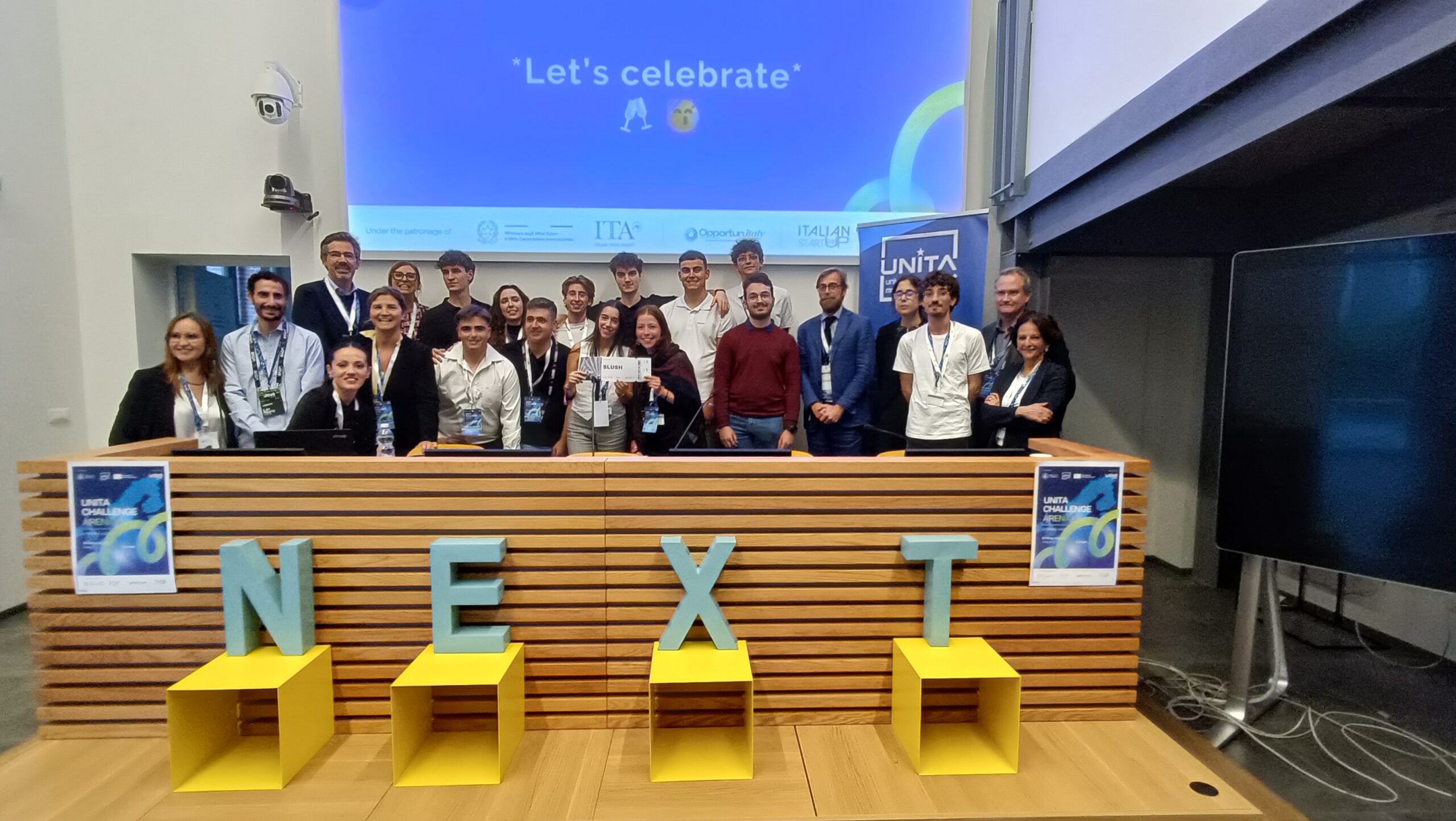
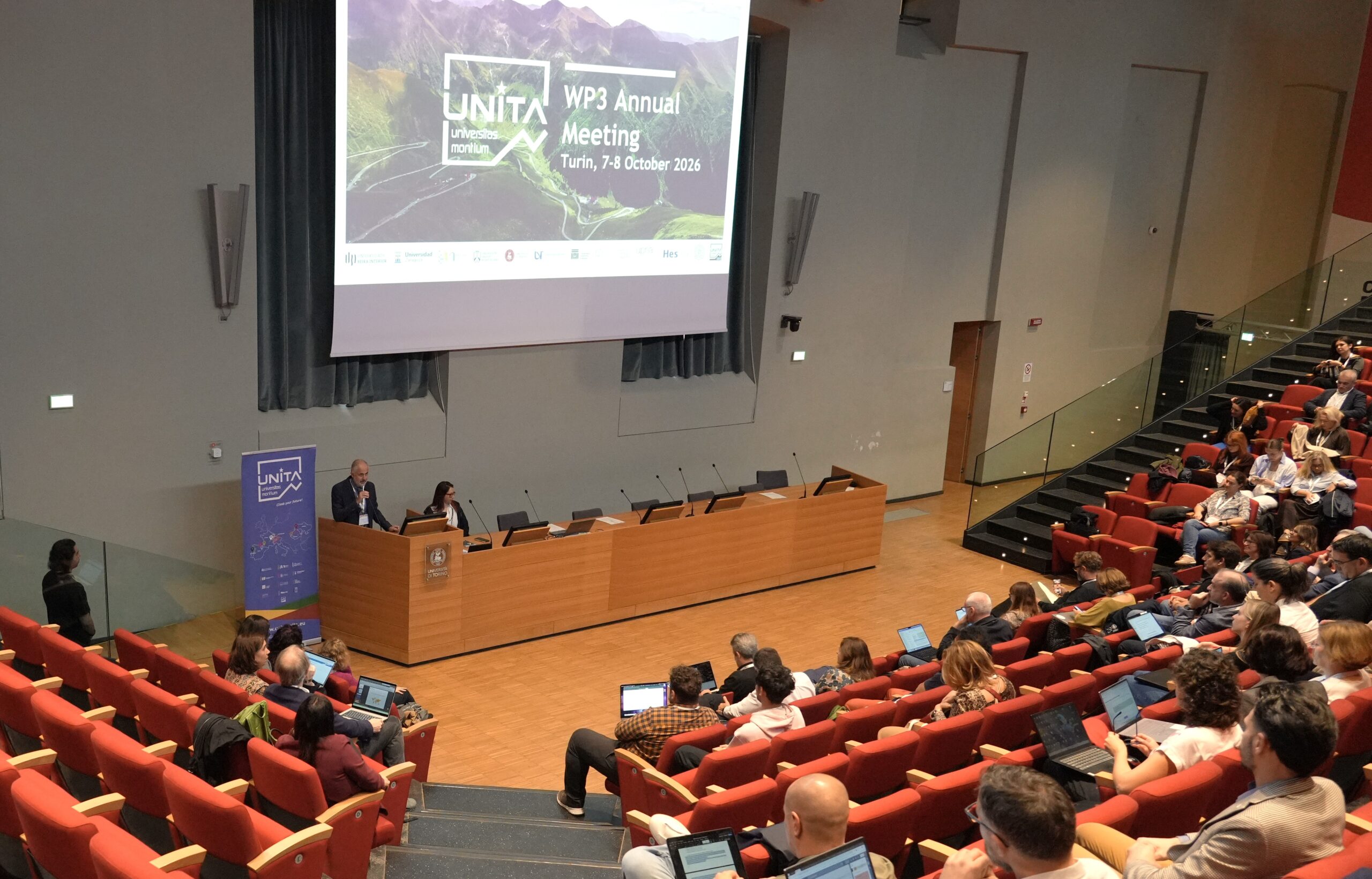
During the week, I took part in the annual WP3 meeting and in the UNITA Challenge Arena, the final pitch competition that brought together, on 9 October, the winning teams of the local challenges run by the Alliance’s universities throughout 2026. Beyond attending the events, I was able to follow the communication work behind them: the planning, the coordination among institutions and the consolidation of each stage.
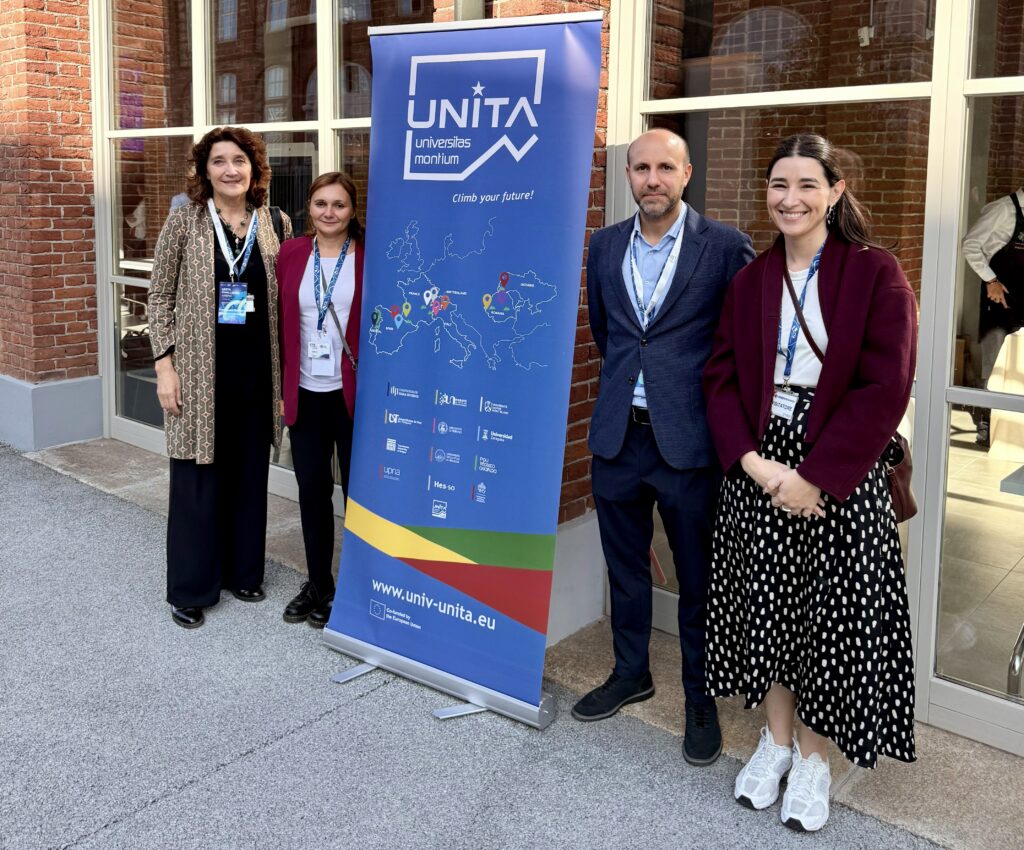
One of the most productive moments was a conversation with the colleagues at the UNITA office in Turin, about how communication works across the network of member and partner universities. I was impressed by the level of maturity the Alliance has already reached: communication is built collaboratively, with every participating institution represented in a thematic group that coordinates the activities. It is not a central office speaking on behalf of the others, but a network learning to speak together.
For us, this conversation was particularly valuable as a benchmarking exercise. UFV recently approved a project to create an academic consortium of six Brazilian institutions, aimed at bringing the scientific research and graduate programmes produced outside Brazil’s major metropolitan hubs onto the global stage, and at fostering international cooperation from the country’s interior. Seeing first-hand how UNITA – an alliance born precisely from universities located in mountain regions, far from the big capitals – has structured its networked communication gives us concrete references for this new challenge.
I also met colleagues from the University of Turin’s institutional communication service, to learn about the university’s communication processes, with a particular focus on brand management. For an institution with more than six centuries of history and a growing international presence, keeping a coherent identity across so many channels, audiences and languages is an ongoing strategic exercise.
My visit to Turin is part of a training programme I am undertaking within a UFV internationalisation project, which also includes visits to other European institutions with the same purpose.
The most important lesson I am taking back to Viçosa is this: communication must be seen not only on the operational level, but as a strategic process capable of building relationships, giving visibility to academic output and creating trust between institutions from different countries. Rethinking the place of communication within universities is, ultimately, rethinking how they present themselves to the world.