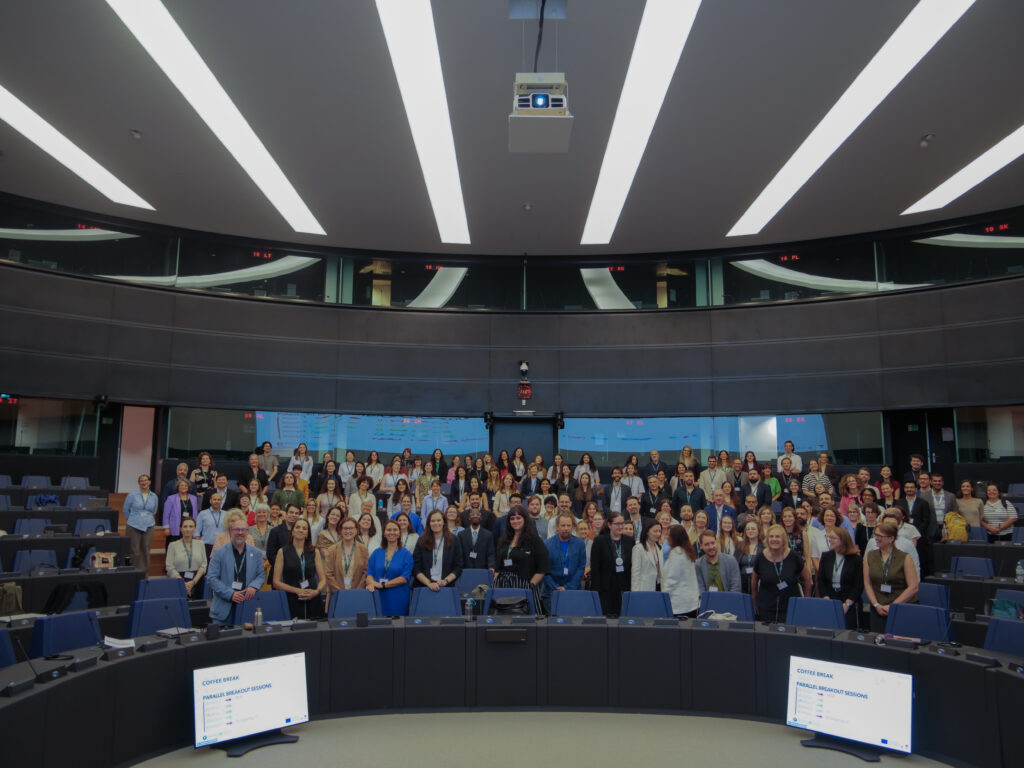
On 2–3 June 2026, the European Parliament in Strasbourg hosted FOREU4ALL Workshop 3 – “From Campuses to Communities: Enhancing Engagement and Sense of Belonging in European Universities”, bringing together representatives of 58 European University Alliances, more than 130 participants on-site, and over 120 University staff and academics connected online. The event focused on one of the most pressing questions facing European Universities today: how can alliances move beyond cooperation structures and become genuine communities for students, academics, and staff?
The workshop was designed as a collaborative space where participants could exchange experiences, identify common challenges, and co-create practical solutions. Discussions centred on key themes such as strengthening the sense of belonging, increasing awareness of alliance opportunities, overcoming barriers to mobility and inclusion, recognising contributions from students and staff, and communicating the value of European University Alliances more effectively.
A distinctive feature of the event was its participatory methodology. Through a series of thematic workshops, participants worked in multidisciplinary groups to develop proposals and concept notes addressing the challenges faced by alliances. The second day focused on transforming these ideas into concrete prototypes targeted at students, academics, and professional staff. By the end of the workshop, the collaborative work had produced 12 prototypes, each offering practical approaches to enhance engagement, participation, recognition, and community building across European Universities.
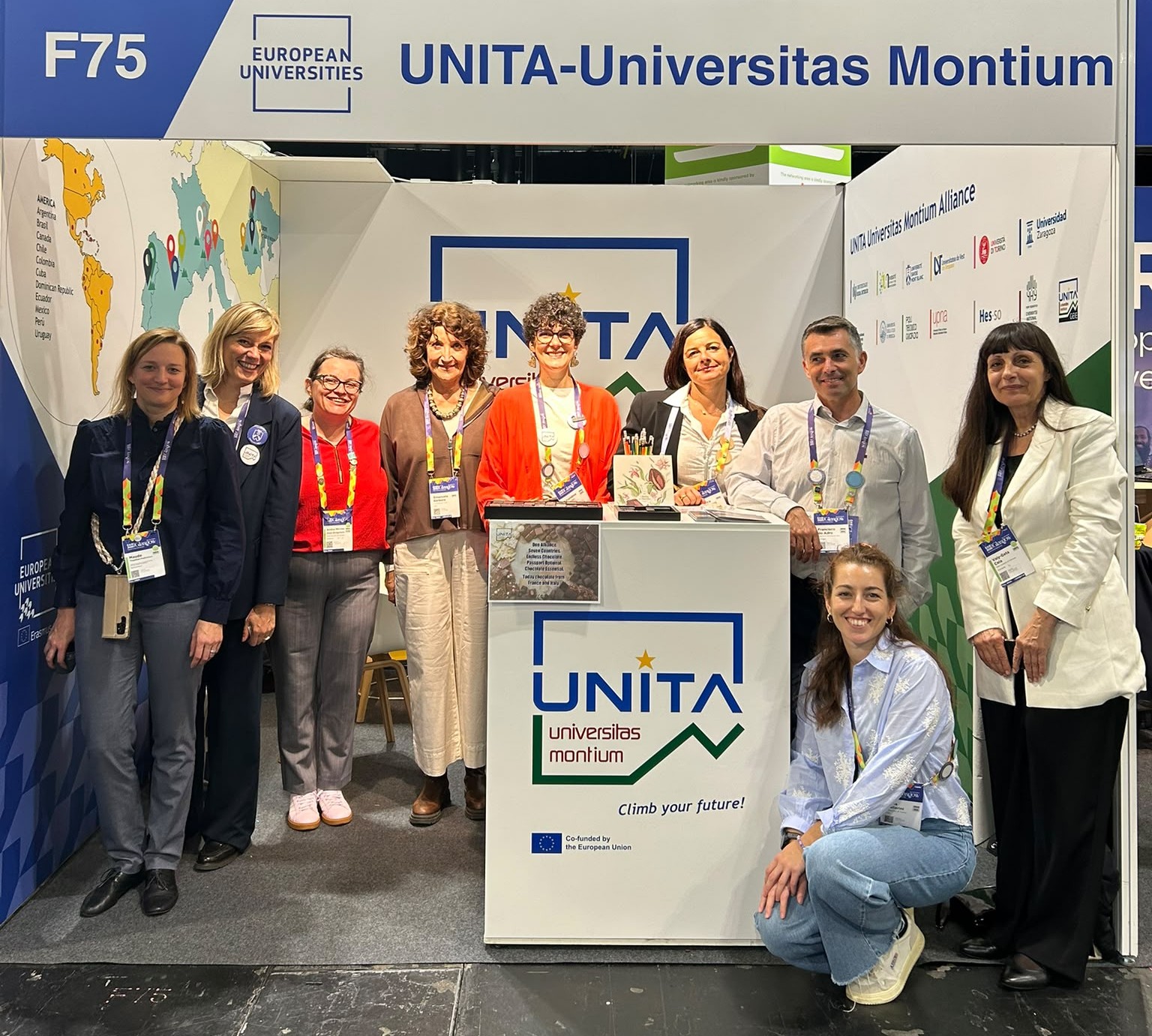
UNITA played a prominent role throughout the event. Giovanni Andriolo from Università di Torino, representing the FOREU4ALL Community Engagement Topical Group, contributed to the opening and closing sessions and facilitated reflections on the strategic role of communication in creating connected and engaged communities. Amandine Fleurier, from Université Savoie Mont Blanc, moderated Workshop 5, dedicated to understanding the value of European University Alliances, and presented a poster showcasing UNITA’s experience in fostering community engagement and participation across its partner institutions.
Another highlight of the programme was the roundtable “Hearing the Students’ Voice”, which brought together student representatives from several alliances and European student organisations. Participants emphasised the importance of peer-to-peer communication, student ownership of initiatives, recognition of student engagement, and the creation of meaningful opportunities for participation. The discussion reinforced the idea that successful alliances are built not only through governance structures and mobility programmes, but also through human connections, shared values, and a genuine sense of belonging.
The Strasbourg workshop demonstrated that European University Alliances are entering a new phase of development. Beyond academic cooperation and mobility, they are increasingly focused on creating inclusive communities capable of engaging students and staff in a common European project. The ideas and prototypes developed during the event provide valuable inspiration for future actions and highlight the transformative potential of collaboration across alliances.