Universities from the UNITA alliance have held a workshop at the Public University of Navarre (UPNA) entitled “From the Historical Witch to the Reinvented Witch”, which highlighted the need to critically review the stereotypes built around the figure of the witch. The event addressed the distance between the historical reality of witchcraft persecutions in the Early Modern period, later myths and current reinterpretations found in literature, the arts and cultural interpretation centres. The session also highlighted that this figure, traditionally associated with marginalisation and difference, has acquired new meanings linked to the identity of rural territories, the relationship with nature and the recovery of traditional knowledge.
The event, which addressed the figure of the witch from an interdisciplinary perspective, formed part of the project “Witches: From Marginalization to Reconciliation and Cohesion (ReCo). Crossroads between Social History, Literature, Arts, and Environment”, funded through a UNITA Starting Grant. UPPA, USMB, UniTo and UPNA are taking part in this initiative.
From historical stereotypes to current reinterpretations
One of the main focuses of the session was the distance between the historical reality of women accused of witchcraft and the images that were later constructed around them. The contributions made it possible to analyse how certain popular, literary and cinematic narratives have helped to establish stereotypes about the witch.
The event also addressed the contemporary remeanings of this figure. In this respect, it was shown that the witch has moved from occupying a place associated with persecution and marginality to becoming, in certain current cultural discourses, a symbol linked to difference, autonomy, the relationship with the natural environment and the identity of rural communities.
Another of the aspects highlighted was the connection between academic research and the territory. The participation of cultural stakeholders from the Pyrenees made it possible to analyse how the figure of the witch continues to be present in museums, popular celebrations, tourism initiatives and projects linked to local heritage. This approach made it possible to connect historical study with current forms of cultural transmission.
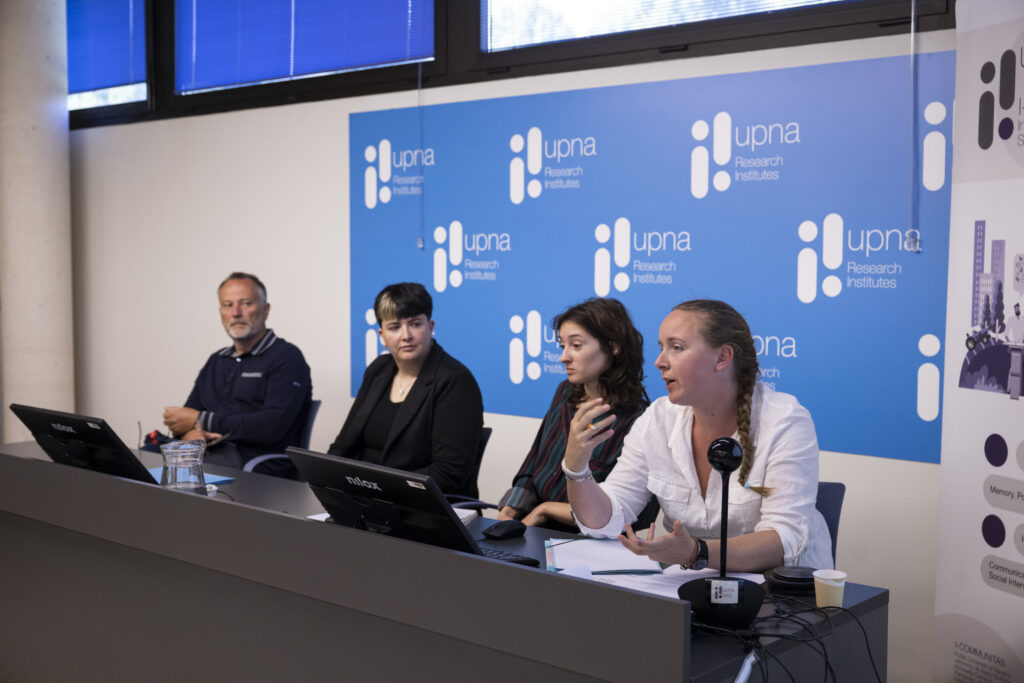
Academic presentations and contributions from cultural stakeholders
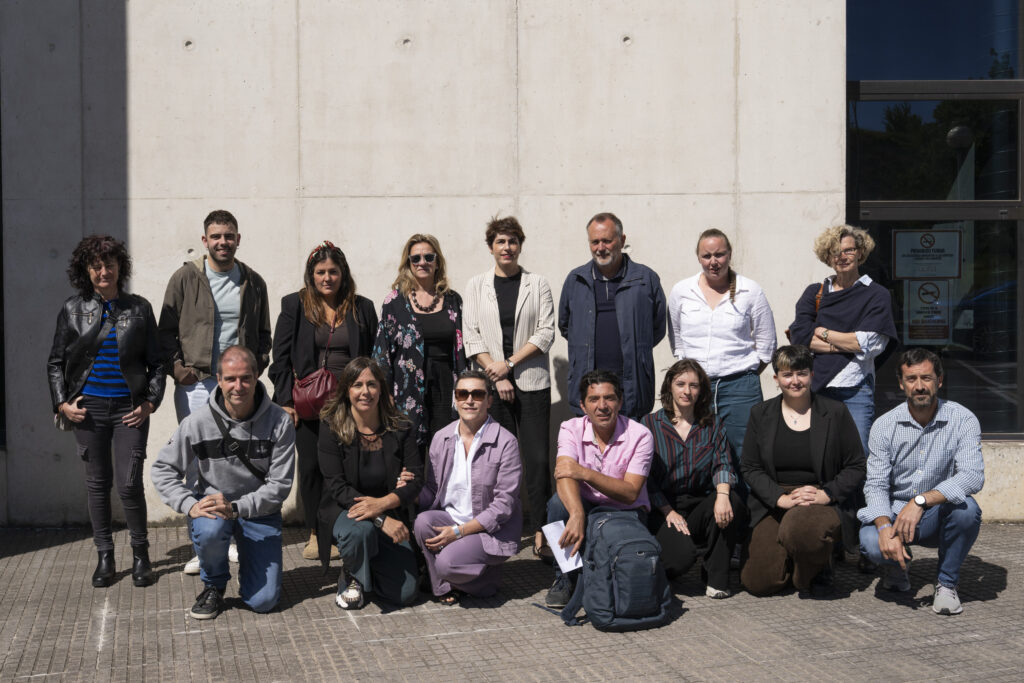
The workshop, organised by UPNA lecturer Amaia Nausia Pimoulier, combined academic presentations and contributions from cultural stakeholders from the Navarrese Pyrenees to analyse the evolution of stereotypes about witches from the late 15th century to their current reinterpretations. In the first part, Irati Zurbano Zuazu (UPNA) addressed stereotypes of the Basque witch in the Early Modern period; Jean-Yves Champeley (USMB) discussed these same stereotypes in the case of Savoyard witches between the 17th and 18th centuries; and Alaia Davant (UniTo) and Juliette Guy (UPPA) analysed the influence of Pierre de Lancre, a 17th-century French judge linked to witchcraft trials, on the cultural construction of this figure in literature and film.
The second part focused on the heritage and territorial dimension of witchcraft, with the participation of cultural stakeholders from the Navarrese Pyrenees.