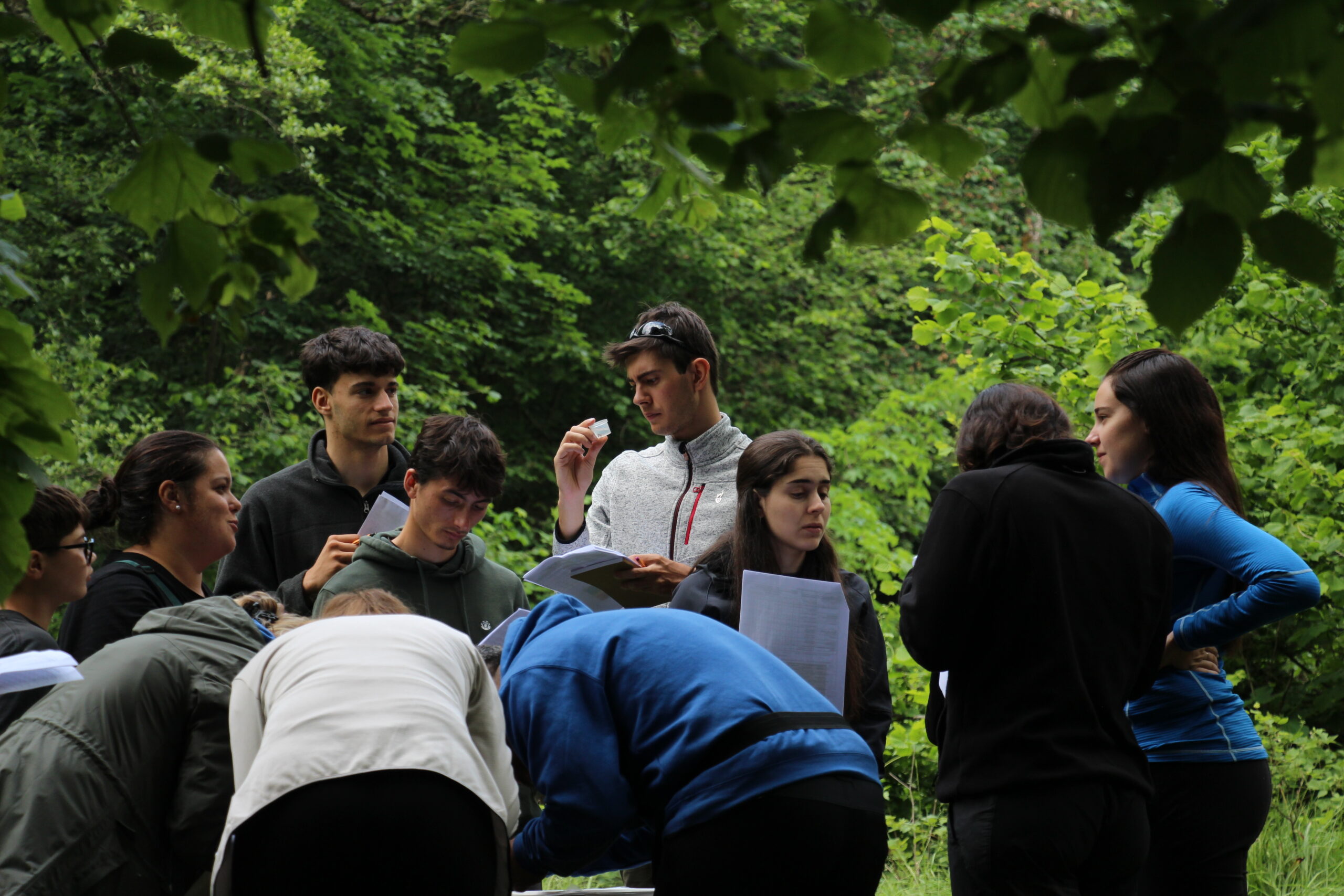
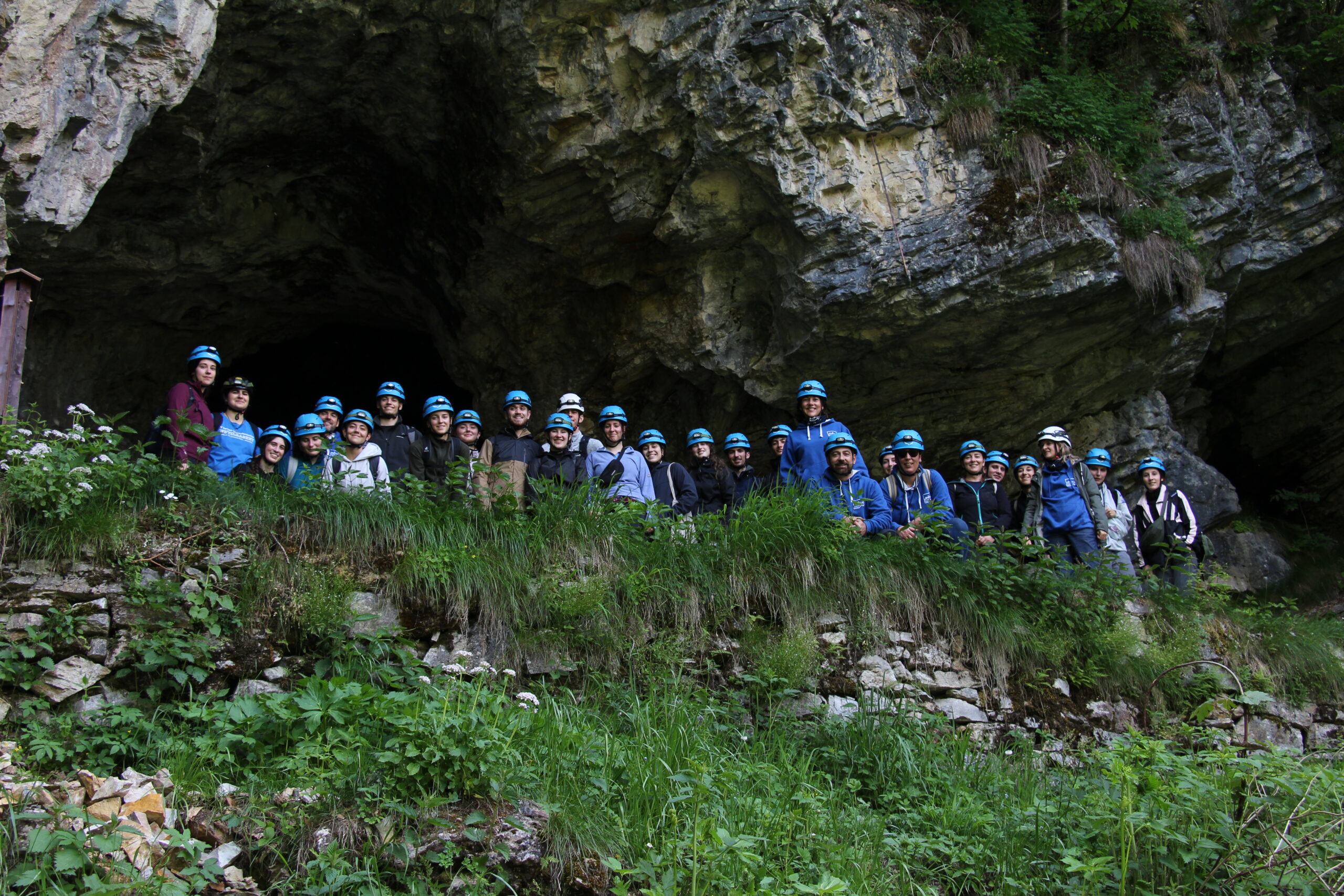
Fieldwork in the Italian Alps, laboratory analyses, and international collaboration: these were the key ingredients of the Blended Intensive Programme (BIP) “Biodiversity in Mountain Ecosystems”, hosted by the University of Turin from 1 to 5 June 2026 in collaboration with Université de Pau et des Pays de l’Adour, Universidad Pública de Navarra, and Universidad de Zaragoza.
The programme aimed to provide 20 students from different universities with the knowledge and practical skills needed to assess biodiversity in mountain environments through an interdisciplinary approach. Participants investigated organisms ranging from microorganisms and fungi to plants and animals, exploring how biodiversity is shaped by environmental factors such as soil, water, and climate across alpine ecosystems.
The learning experience combined online preparation with an intensive week of field and laboratory activities. Before arriving in Italy, students completed a virtual module introducing the theoretical foundations and standard methodologies for biodiversity assessment.
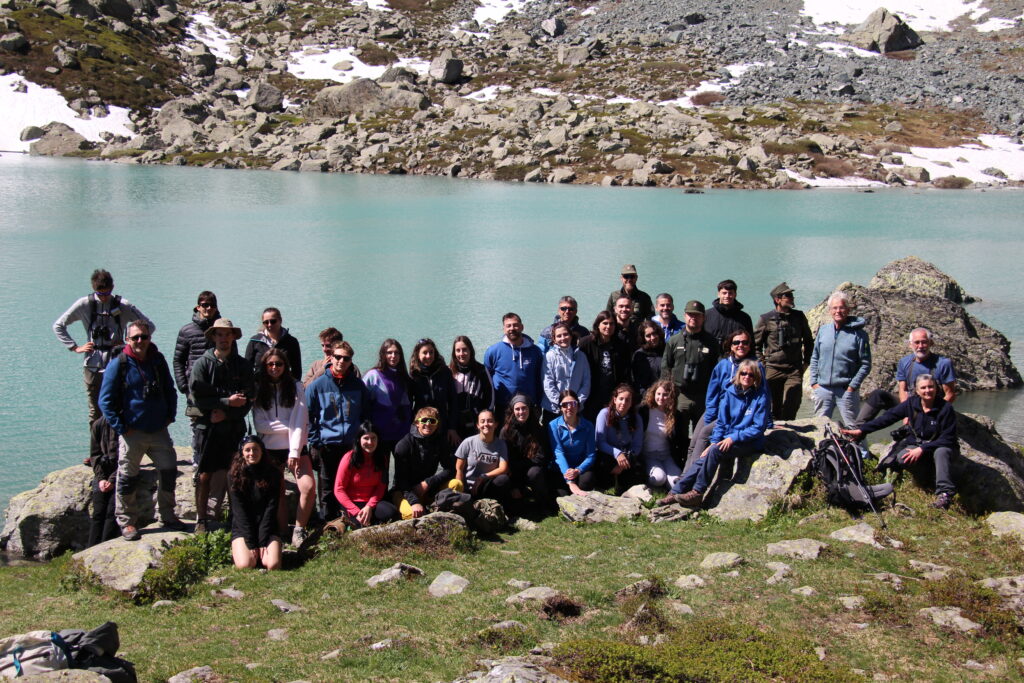
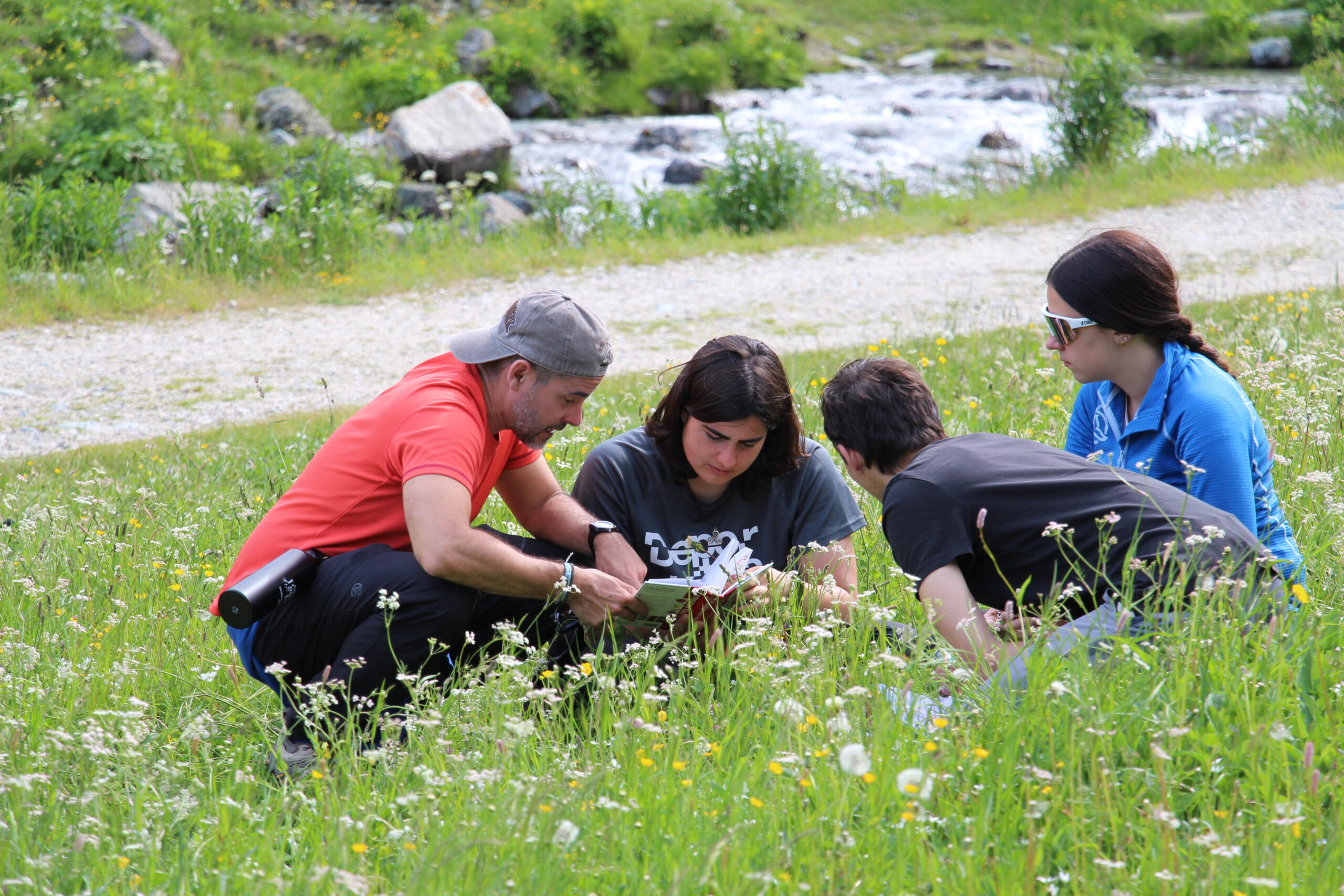
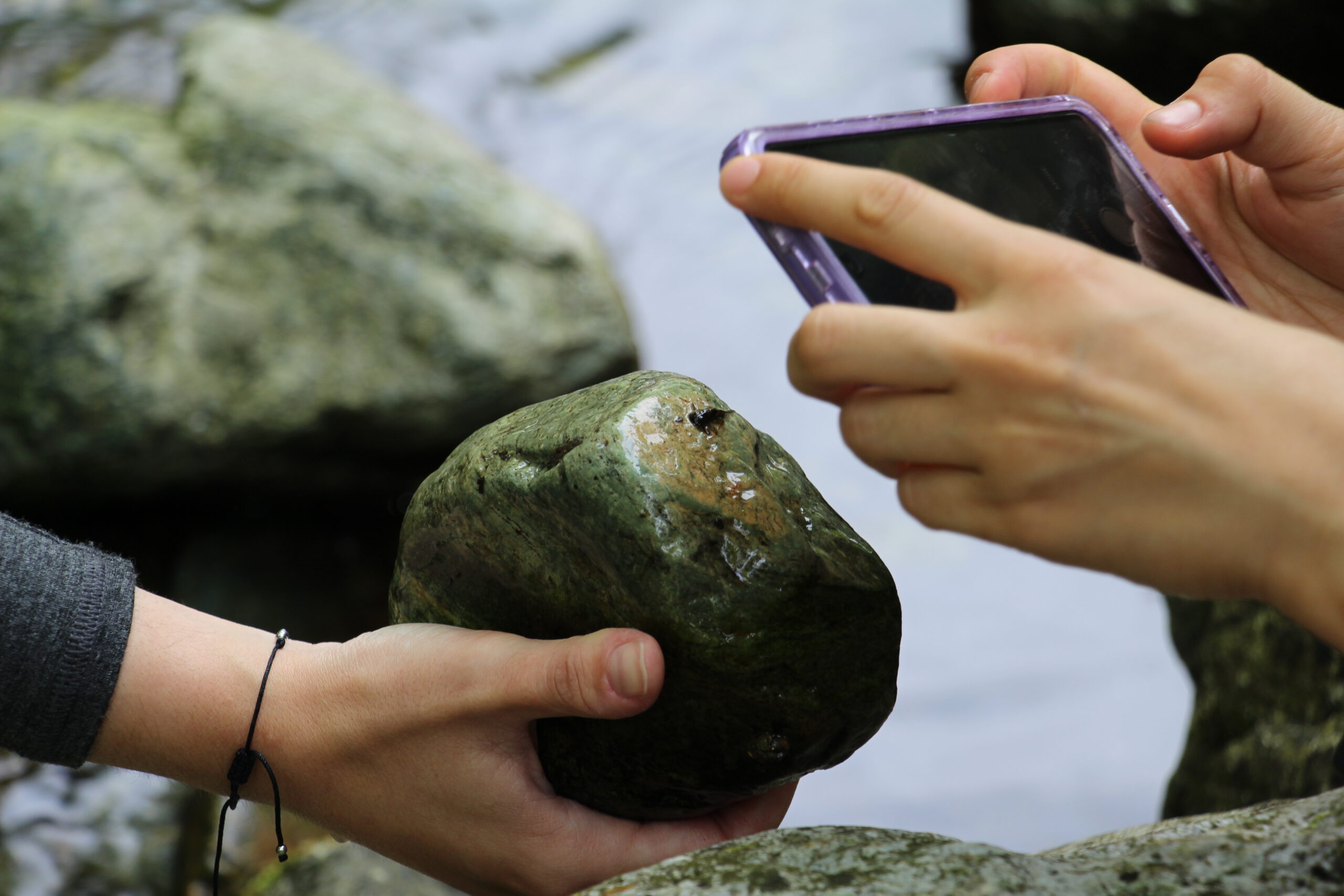
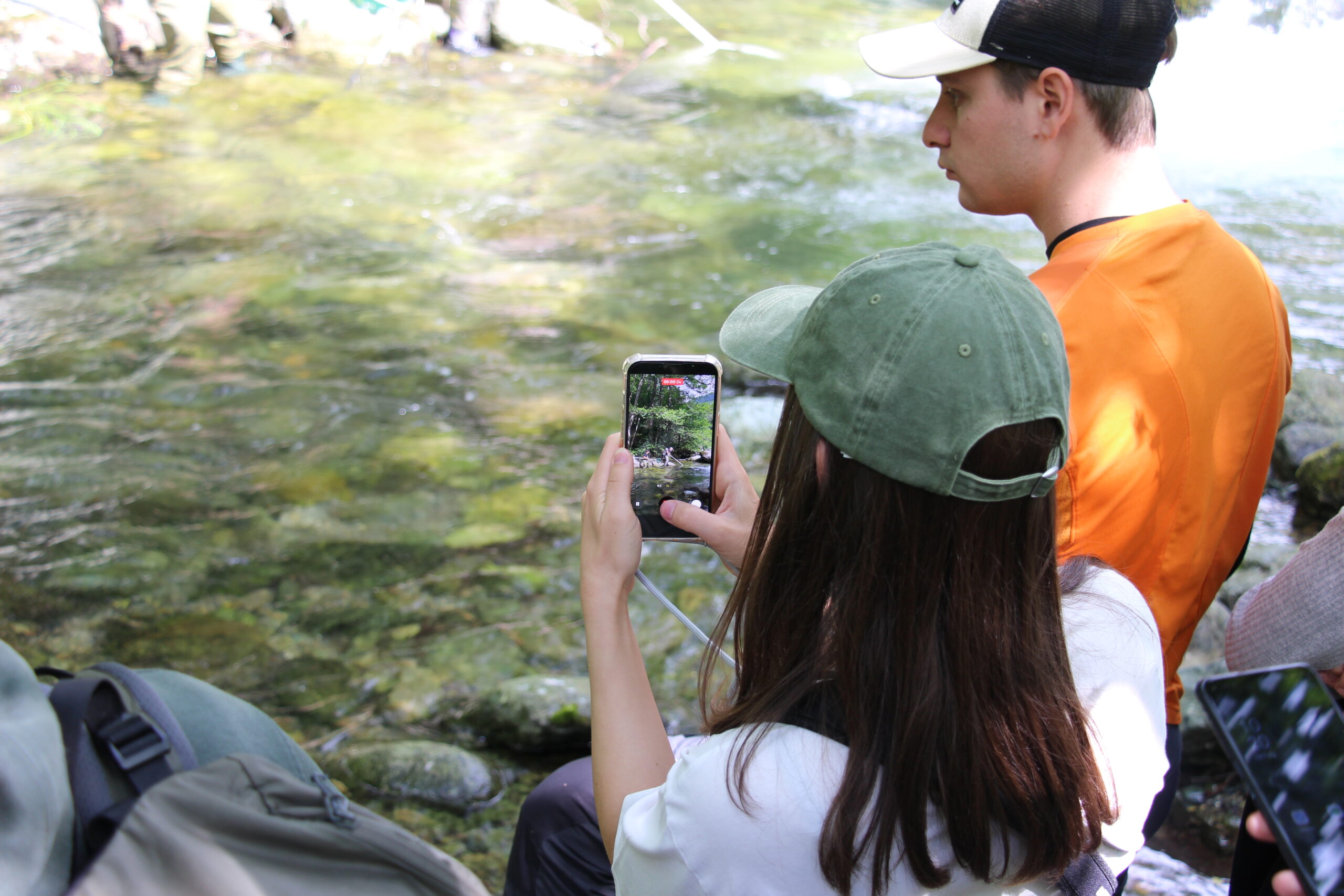
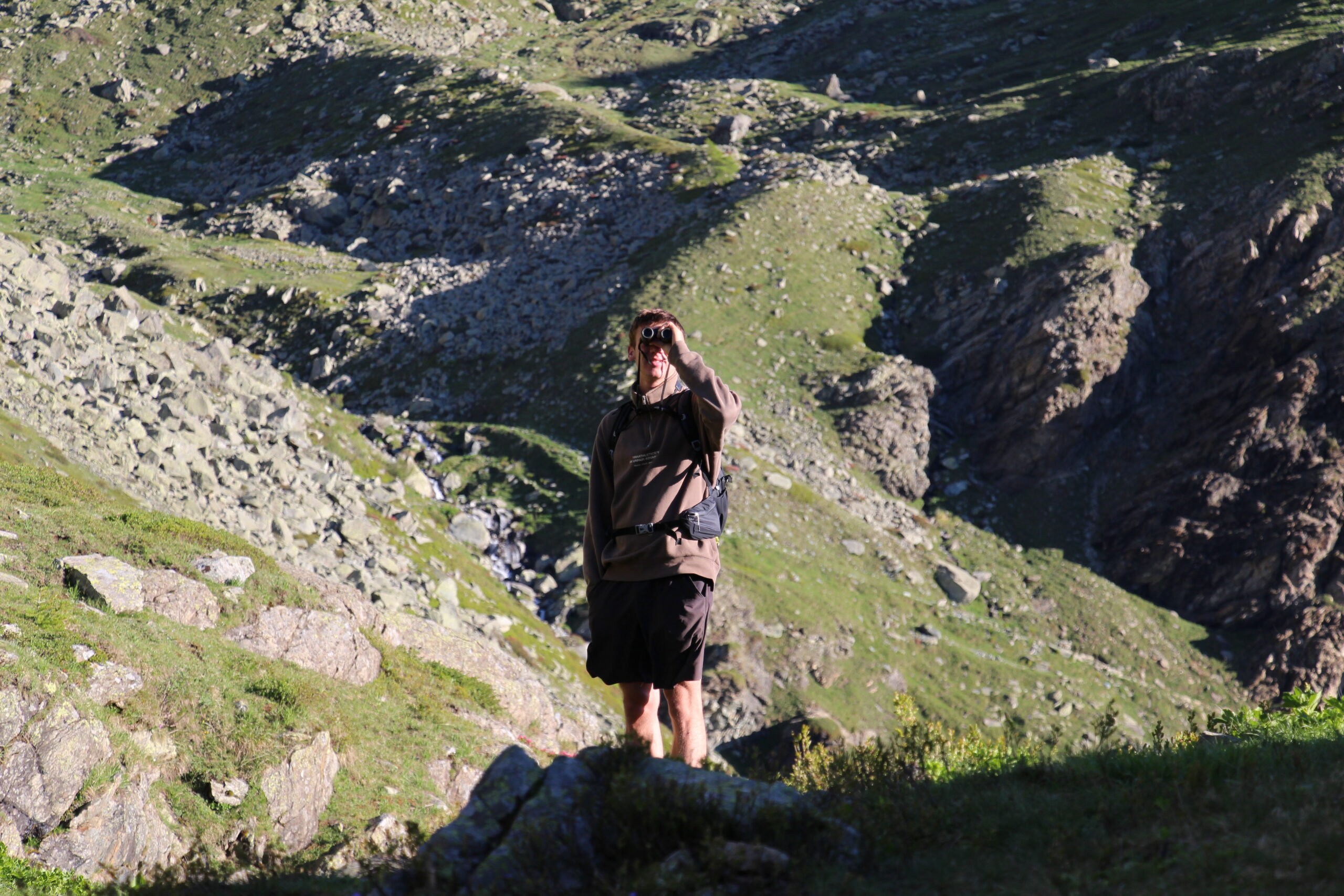
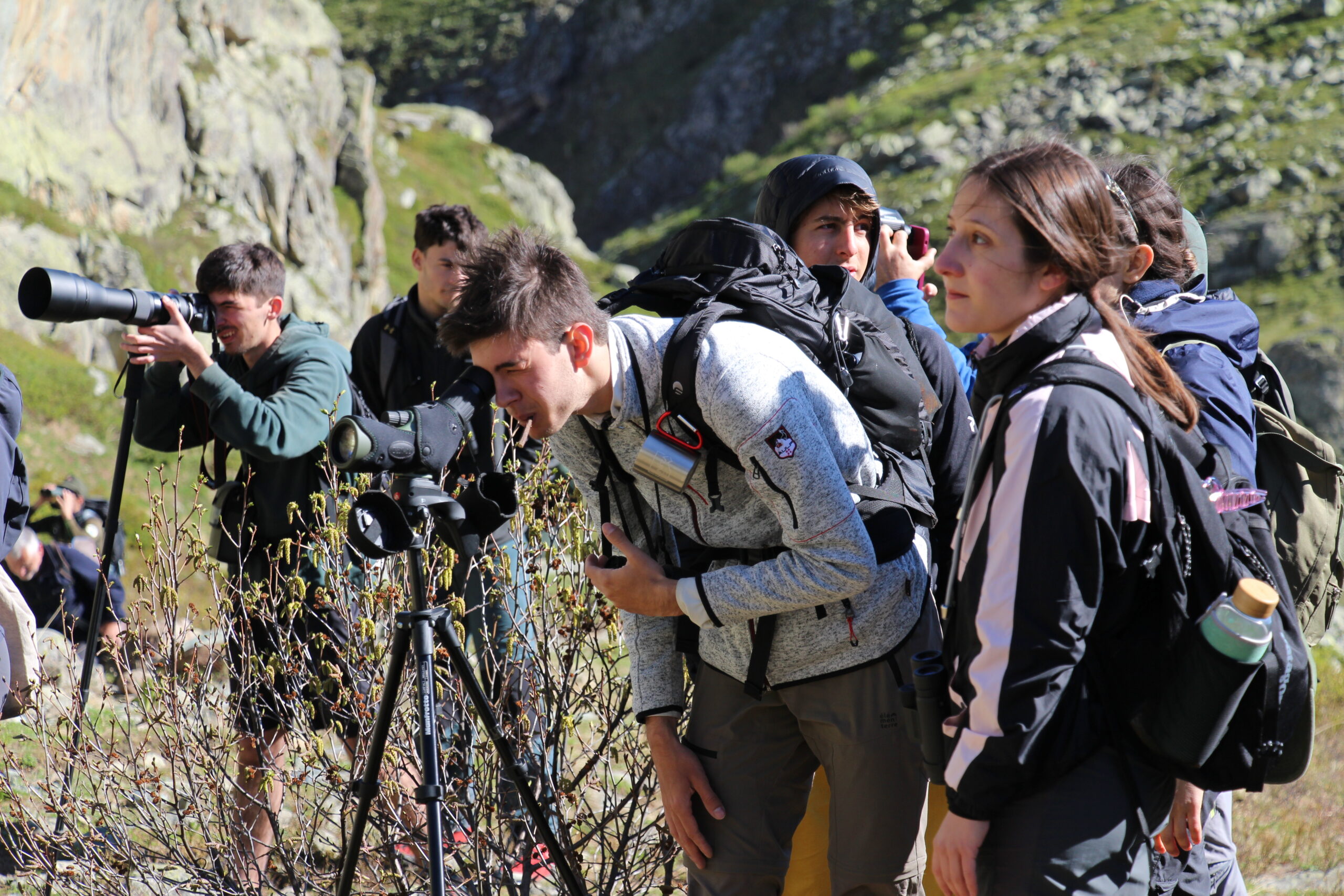
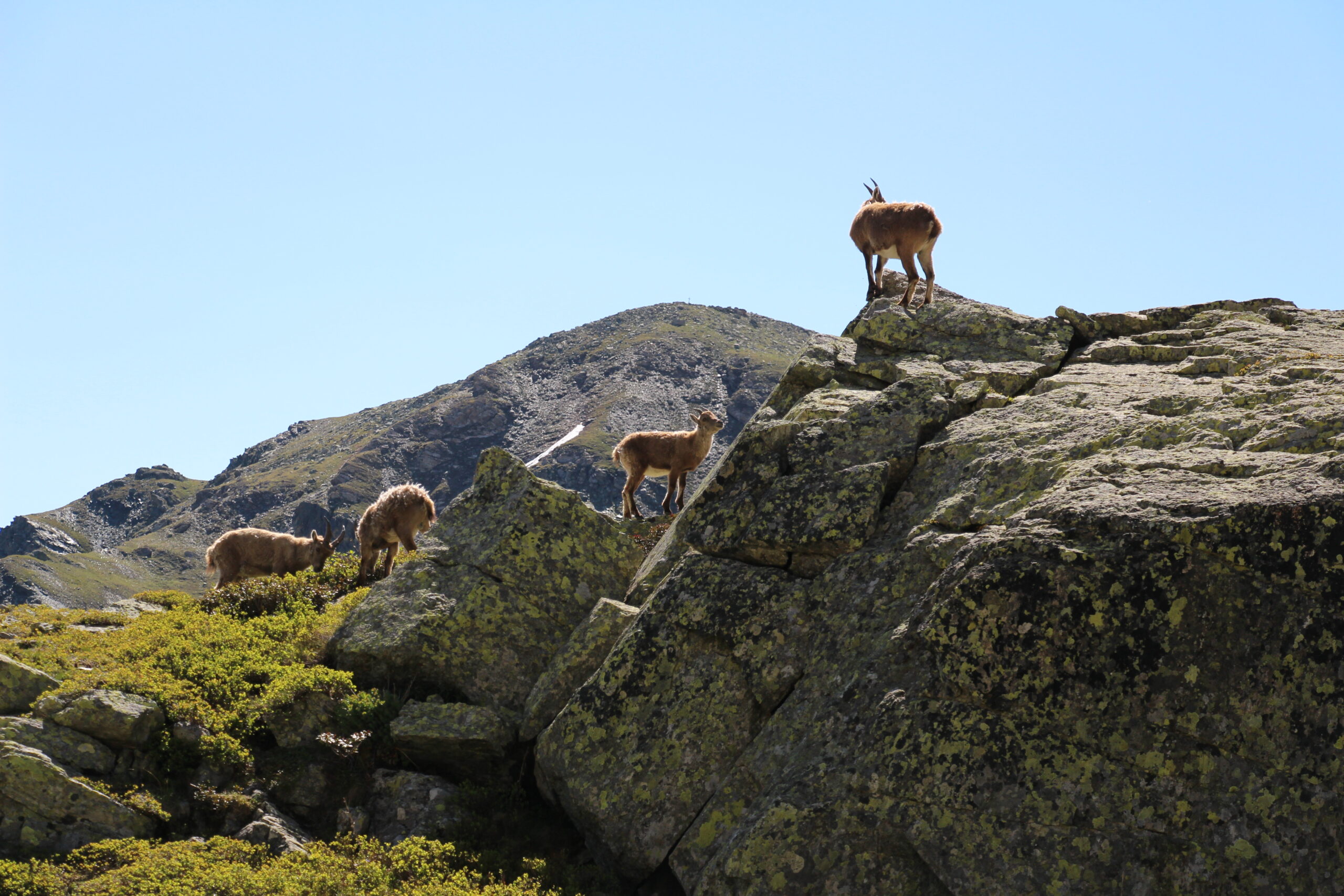
The fieldwork took place in Ostana, in the Italian Apls, where participants worked within the ALPSTREAM research infrastructure. Activities included river ecology investigations, fish sampling demonstrations, aquatic macroinvertebrate collection, water sampling for environmental DNA (eDNA), mountain vegetation surveys, soil analysis, and wildlife monitoring, allowing students to experience first-hand how ecological research is conducted in alpine environments.
The final stage of the programme moved to Turin, where participants analysed the collected samples through laboratory sessions focusing on environmental DNA (eDNA), microbiological analyses of soil and water, soil property assessment, and ecological indicators. By combining field observations with laboratory techniques, students gained a comprehensive understanding of biodiversity monitoring and ecological assessment.
By bringing together students and academics from different countries, the programme demonstrated the added value of international cooperation in addressing global environmental challenges. Through its integration of research, education, and experiential learning, the BIP further strengthened UNITA’s commitment to innovative teaching and to the sustainable management of mountain ecosystems, one of the Alliance’s defining areas of expertise.
Fieldwork in the Italian Alps